That was June 12, 1998 when we had acted and sung like Katipuneros, Revolutionarios, Freedom Fighters in Zurich.
That was 26 years ago. I hope in this way to reconnect with those once young, creative and dynamic warriors and friends wherever they are by now. Hoping they will see this post of our program at that time in Kongresshaus, Zurich, Switzerland.
Verse 1) In ancient Land’s embrace, Ming Mong Lo’s tale, To Philippine shores, destiny set to sail. A union formed, a legacy begun, Asuncion roots in Manila’s Spanish sun.
(Chorus) Oh, Asuncion clan, through time you stride, Artists and Healers, in life’s vast tide. Soldiers and teachers, a resilient crew, United in strength, forever true.
(Verse 2) Spanish echoes linger, in Manila’s past, Artistry flourished, a lineage cast. Through the brush strokes, and notes that play, Asuncion spirit, endures to this day.
(Chorus) Oh, Asuncion clan, through time you glide, Musicians and painters, side by side. Teachers impart wisdom, soldiers stand tall, In the rhythm of life, you conquer all.
(Bridge) Waves of time, both beauty and rough, Asuncion bond, resilient and tough. Connected souls, a family so strong, In the symphony of life, you all belong.
(Verse 3) From humble roots to a clan so grand, A mosaic of talents, across the land. Through challenges faced and victories won, Asuncion legacy, forever spun.
(Chorus) Oh, Asuncion clan, through waves you roam, In the vast sea of life, you find a home. Blessed with fortune, counting on each other, An eternal bond, like no other.
(Verse 4) Let the hymn of Asuncion rise, A tale of resilience, reaching the skies. May the waves of time, gentle or rough, Guide the Asuncion clan, with love enough
In the echoes of shared laughter, we once roamed, Brothers entwined in a home that felt like home. Guided by parents’ love, each unique, yet the same, In their eyes, we found our singular claim.
II
Mom, with her wisdom, said, “Each one needs his way,” Nurturing us distinct in the light of the day. But time played its trick, scattering our band, Life’s winds blew us far from the promised land.
III
Now, silence echoes in spaces once filled with kin, Aching hearts yearn for what used to have been. With parents gone, the axis of our unity ceased, Leaving us adrift, our bonds somewhat released.
IV
Separated, distant, longing for what’s amiss, Wishing for moments lost in the memory’s abyss. In the quest for what’s lost, a soul seeks in vain, Hoping for connection, to rekindle the chain.
V
The void of what could have been, a bittersweet tale, A yearning heart’s song, an unfinished trail. Lost opportunities, a melody of the past, Reminders that time’s die is cast.
VI
Yet in the midst of this melancholy, a spark, A yearning to bridge, to rekindle the dark. For even as paths diverge, hope’s ember gleams, A prayer for reunion, within distant dreams.
(For my dearest mother Pacita) (Blues in E major /by jun asuncion)
Verse 1: I’ve been searching high and low, For the place where my mama lays, I’ve been traveling far and wide, Through the nights and through the days.
Chorus: It’s been a long, lonely journey, Trying to find my mama’s grave, But I finally found today, The place where she rests in peace.
Verse 2: It’s been three long years of pain, Since the day that she passed on, And I’ve been searching ever since, For the place where she is gone.
Chorus: It’s been a long, lonely journey, Trying to find my mama’s grave, But I finally found today, The place where she rests in peace.
Verse 3: I’ve been walking through the rain, And I’ve been walking through the storms, I’ve been searching high and low, For the place where she would go.
Chorus: It’s been a long, lonely journey, Trying to find my mama’s grave, But I finally found today, The place where she rests in peace.
Verse 4: Now I stand here at her grave, And I feel a sense of peace, For I know that she’s in heaven, And her soul has found release.
Chorus: It’s been a long, lonely journey, Trying to find my mama’s grave, But I finally found today, The place where she rests in peace.
Outro: I’ll always cherish the memories, Of the love that she gave to me, And I’ll never forget the journey, That brought me to where I need to be.
A man went to a clan reunion Ignored by his kin, he left badly broken He longed for fairness and peace Only to get more stabbed behind his face.
In disbelief, he longed for explanation But this struck against an icy destination He felt alone, outcasted and in pain As insults were hurled by exclusive kin.
But he remembered the lessons of his youth From his parents’ and grandparents’ truth He learned to accept the fact of his fate And found comfort in their love so great
Now he stands tall and proud His living kin’s words no longer loud For he knows that he is loved By those who matter most, from above
Her name is Leonila Mercado Yatco–Yaptinchay, or Doña Ilay to some, the Chinese mestiza matriarch of the affluent Yatco and Yaptinchay families of Biñan town in Laguna. She is the lady visitors of Leon Gallery’s Eurovilla address in Makati have been inquiring about the past few days, and understandably so. A portrait of her, done by the great National Artist Fernando Amorsolo, hangs in the space that displays the highlights of the upcoming year end auction. And it’s an impressive work—in size, in intricacy, in its depiction of a lady of affluence, so different from the rural lasses we are used to seeing from the master’s oeuvre.
Fernando Amorsolo’s “Portrait of a Lady in Maria Clara Dress”. Portrait of Doña Leonila Mercado Yatco-Yaptinchay, signed and dated 1955 (lower right), oil on canvas, 70″ x 52″ (178 cm x 132 cm)
The finery she is wearing alone will have one spending an inordinate amount of time inspecting the portrait. She is dressed in an elegant “traje de mestiza” of the 1880s with a traditional camisa and panuelo of very expensive, fully–embroidered “pina” textile. She wears these over a skirt of shimmering turquoise French Lyons silk, overlaid with a “sobrefalda,” or tapis, of black French Chantilly lace. She is also wearing a large gold “tamborin” necklace of the 1890s type, matching earrings of large filigree gold beads, a bracelet of Isabel II 4 P gold coins, and hanging from her waist is a “porta abanico” (fan holder) of alternating Isabel II 4 P gold coins and gold beads.
The Biñan rich have a lot of exquisite gold medallions containing miniature paintings of religious figures and scenes by the talented Justiniano Asuncion y Molo aka “Capitan Ting.” The lavish ensemble of gold jewelry in the Amorsolo portrait is just among the many gifts of Ysidro Yatco and Bonifacia Mercado to each of their three daughters of which Leonila is the second. Much of the Spanish colonial gold jewelry of Binan’s “principalia” families are sourced from the famous Paterno Molo de San Agustin atelier in Santa Cruz, Manila.
Photograph of an unidentified client of Amorsolo with the half-done portrait behind him. Photo courtesy of Leon Gallery
Apart from the finery previously mentioned, Leonila is also wearing embroidered silk gloves from Paris in the painting, and holds an exquisite French ivory piercework fan with handpainted silk and lace. The predilection for all things Parisian and elegant was inherited from her father Ysidro, the first in the family to travel to Paris in the 1880s. He brought home French creature comforts, not least of which were Cristal Baccarat chandeliers and table lamps, decorations, and furniture for the family’s Biñan residence.
The imposing oil portrait, however, was commissioned by Leonila’s youngest and favorite daughter Flora Yatco Yaptinchay–Evangelista, or Flory. She asked Amorsolo in 1955, following the commission of her own portrait in a Ramon Valera wedding dress the year prior. Leonila’s granddaughters recalled Amorsolo arriving and staying for most of the day, from lunch to merienda, as the artist discussed lengthily the new portrait commissioned by their Tita Flory, who was as loquacious and demanding as could be. The young girls aged 7 to 10 were tasked by their Tita Flory to serve Amorsolo lunch and merienda.
Exterior corner of the Yaptinchay-Yatco ancestral house in Binan, Laguna, 1960s.
The painter enjoyed his weekend visits to the Yaptinchay–Yatco ancestral house in Biñan as it was a perfectly preserved time capsule from the 1800s, the way Flora’s good friends top collector Luis Araneta and heiress Chito Madrigal regarded it. The artist charged Flora 5,000 pesos for the full–length portrait of her mother, a very considerable amount at the time. It was based on a small, hand–colored studio photograph of Doña Ilay from the 1880s (the antique photograph remains in the possession of a very knowledgeable Manila collector).
The patriarch Ysidro is representative of Binan’s oldest Chinese mestizo fortune derived from ricelands, sugarlands, and dry goods trading. His wife Bonifacia Mercado, meanwhile, was reputedly an elder sibling of Francisco Mercado (son of Juan Mercado and Cirila Alejandro; the name Bonifacia does not appear in that listing so perhaps she had another name, or was a half–sister, a first cousin, or a second cousin), the father of our National Hero, Jose Rizal.
Both Ysidro and Bonifacia were closely related by blood to Francisco Mercado, hence the relations to the Rizals were twice over. The pretty Leonila was the favorite daughter. She always acknowledged that Pepe, Paciano, and the sisters were her cousins as well as uncles and aunts, albeit not as rich as she was. In her parents’ memories, cousin Pepe was an unusually intelligent, rather smart–alecky, talkative, and “malikot” child, at least when he wasn’t sick with something.
Elegant “caida” or entrance hall of the early 1800s Yaptinchay-Yatco ancestral house in Binan, Laguna. A young Jose Rizal—cousin Pepe—used to run and play all over his cousins’ big house. Photo courtesy of Lito Ligon
Relations between the Yatco sisters and their younger Mercado–Rizal cousins were close and cordial. As children, the cousins played in the Yatco–Mercado “azotea,” “cocina,” and “antecocina,” right beside the “comedor” dining room and “caida” entrance hall. They liked to sit on a long bench and gather around the “dulang,” a low dining table.
Leonila related to her children that after cousin Pepe’s execution in December 1896, his younger sisters had come to the house requesting financial assistance; the Rizal family’s assets having been confiscated by the Spaniards. The sisters had to pass surreptitiously through the “voladas” (galleries) of the house like servants to avoid the attention of the household staff and possibly of the roaming guardia civil.
Leonila’s parents did extend financial assistance to their beleaguered Rizal relations, but they did so at great risk to their lives, livelihood, and reputation.
Interior shots of the Yatco-Yaptinchay ancestral home. Photos courtesy of Leon Gallery
Cordial relations between the families continued up to the prewar, with the younger Rizal sisters visiting their affluent Yatco–Mercado cousins in Biñan.
During World War II, Leonila’s son Isidro (“Sidring”) offered the hospitality and relative safety of the house to his good friend Jesus Amado “Amading” S. Araneta and his family, including an eccentric aunt who did not like to be kissed nor touched. Amading’s youngest daughter Maria (“Baby”) brought her beautiful American and European dolls, to the delight of the young Yaptinchay granddaughters.
The Ysidro Yatco–Bonifacia Mercado residence (which later became the Pablo Yaptinchay–Leonila Yatco residence) was composed of the original 1820s bahay–na–bato connected by a commodious stone azotea to a newer, larger, 1840s bahay–na–bato which served as the residence’s principal façade. Another story went that the couple had built the 1840s house in front and then purchased the old 1820s house at the back to connect the two properties, a common practice at the time. In any case, the residence was large, composed of two houses connected by a stone “azotea.”
Interior shots of the Yatco-Yaptinchay ancestral home. Photos courtesy of Leon Gallery
Leonila and her two sisters lived in then unheard–of luxury as the daughters of Binan’s preeminent citizens at that time (1870s and onwards). Imported French, English, American, and Chinese furniture graced the reception rooms. Elegant furniture from the redoubtable Chinese cabinetmaker Ah Tay in Binondo, Manila appointed the various rooms (there were four marbletop “lavadoras” (washstands) and four “peinadoras” (dressers) in the house when the usual grand residence usually had only one of each. European crystal chandeliers, hanging lamps, and table lamps lit the rooms.
The “caida” entrance hall was furnished with comfortable local and imported armchairs, round marbletop tables and side tables; memorable was a French Empire–style completely gilded marbletop console supported by an eagle. There were tall mirrors over the console tables. An American Victorian gasolier hung from the painted ceiling secured with buttonlike discs. There was also a tall German grandfather’s clock. Casually placed everywhere, on tables and on the walls, were the family’s travel souvenirs from times past.
Sala of the Yaptinchay-Yatco ancestral house in Binan, Laguna (after 1955, when the F Amorsolo portrait was commissioned). Photo courtesy of Lito Ligon
In the commodious sala, large, lifesized oil portraits of Ysidro and Bonifacia by Antonio Malantic y Arzeo of Tondo hung on the far walls; a seated oil portrait of Pablo Yaptinchay y Gana by Justiniano Asuncion y Molo of Santa Cruz, Manila hung on one narrow wall. The walls were covered in canvas painted with arcadian scenes of trees and forests, hills and mountains by theater artists. A large grooved marbletop table with C–scroll legs occupied the center of the “sala,” with marbletop console tables in the same style along the walls set under large mirrors.
Seating in the sala was originally of traditional “Luis Quince” and “Carlos Trece” style armchairs and sofas as well as the erstwhile fashionable Thonet “Vienna” bentwood chairs of the 1800s. These were, however, replaced during the prewar with sturdier chairs and sofas in the geometric Art Deco style by Gonzalo Puyat. A big Eastern rug covered the center of the floor. A pair of Cristal Baccarat chandeliers hung from the painted ceiling, matching the sconces on the walls; they were purchased by Ysidro in Paris in the 1880s. A pair of antique Chinese Ch’ing dynasty ceramic Foo dogs sat on the console tables; in a nod to Chinese ancestral traditions, the pair was brought to the Yaptinchay–Yatco family mausoleum as decor every first of November.
Interior shots of the Yatco-Yaptinchay ancestral home. Photos courtesy of Leon Gallery
The bedrooms had elegant 1840s tester beds in “kamagong” wood as well as ornate 1870s tester beds in “golden narra” wood, not to mention the prestigious “calabasa” beds of Ah Tay. There were many “aparadores” of various styles to store personal possessions; one aparador contained Leonila’s old issues of “La Moda Elegante,” an 1800s fashion magazine. The master bedroom had a grand matrimonial bed elaborately carved with swallows, cranes, incense burners, phoenixes, and dragons with solomonic testers. This was fronted by a comoda–altar with a magnificent tableaux of the Crucifixion in ivory encased in a kamagong urna, and flanked by ivory images of “San Jose Patriarca,” “San Roque de Montpelier,” and “Santa Barbara, virgen y martir.” Most of the ivory santos in the Yaptinchay–Yatco house were by the Biñan crowd favorite, Leoncio Asuncion y Molo of Santa Cruz, Manila, brother of the painter Justiniano Asuncion y Molo. Several of the “aparadores” were by Ah Tay of Binondo.
One of the magnificent 18th century, solid ivory santos of the Yaptinchay-Yatco family of Binan, Laguna. Photo courtesy of Lito Ligon
The Yaptinchay–Yatco “antecocina” and the “cocina” had an “aljibe,” a stone water cistern. A plain “aljibe” was a common feature of a bahay–na–bato. It was usually part of an azotea, and at that time of no running water, it stored rainwater necessary for household chores. However, to have an elaborate “aljibe” with a stone turret concealing the well, tiled roof, and an earthenware pineapple finial as part of the water filtration system was entirely another matter of finances altogether. Few Filipino bahay–na–bato had elaborate “aljibes,” among them the Yaptinchay–Yatco house in Binan, Laguna, and the Constantino house in Bigaa, Bulacan.
To contextualize these domestic, seemingly trivial matters, one should understand that well–off Filipino houses were sparsely furnished up to the end of the Spanish period in 1898. Fine furniture, both imported and local, were expensive, and imported lighting and decorations much more so. To have a houseful of European luxuries was a great economic and social feat up to the end of the Spanish regime. The Yaptinchay–Yatco residence in Biñan, with its neoclassical architecture and elegant furnishings, represented an ideal example of the Filipino “bahay–na–bato” by the high standards of the late Filipiniana authority Martin Imperial Tinio Jr.
Leonila married Pablo Gana Yaptinchay in the 1890s and they had three sons and four daughters: Jose “Pepe,” Francisco , Isidro Sidring, Nicasio Chiong–Veloso Osmena (“Nick”) Trinidad “Ate,” Tita “Tating,” Macaria “Nena,” and Flory who married the eminent Teodoro Evangelista Sr. the Executive Secretary of President Elpidio Quirino; Secretary of Foreign Affairs, Secretary of Education; and Far Eastern University President. The high–profile Sidring, meanwhile, parlayed his inheritance to a large fortune in the heavy machinery business, had his offices in Hong Kong, and lived at The Peak. The house was designated as “comunidad” in Leonila’s last will and testament but Flora paid off her six siblings and it became solely her property.
[The Amorsolo portrait in this story is open for viewing from November 27 to December 3, Saturday to Friday, from 9 AM to 7 PM, at León Gallery, G/F Eurovilla 1, Rufino corner Legazpi Streets, Legaspi Village, Makati City. The Kingly Treasures Auction 2021 is co-presented by ANCX.ph, the urban man’s guide to culture and style, and the lifestyle website of the ABS-CBN News Channel.
Remembering Andres Sus Asuncion, Sr. today ( November 9, 1920- November 3, 2005), my beloved father. Yes, Smoke gets in your eyes, your favorite song- and the song that stays in my mind, in my heart…..An old photo of yours, standing on the left beside your mother Amada Sus Asuncion.
Equestrienne Jan Catherine Sy, daughter of SM Prime chairman Henry “Big Boy” Sy. Jr. and granddaughter of late tycoon Henry Sy, passed away on Thursday night, March 18, 2021.
She suffered from a serious infection that caused sepsis, a condition that damages the tissues and potentially lowers blood pressure to a life-threatening level. She was 29.
Besides being a competitive horse-rider, Jan served as assistant vice president at SM Development Corp. the real estate arm of her family’s vast holdings linked to the SM brand.
I wish to thank everyone for the outpouring of love and support, prayers and striving beside me and my family, the doctors and medical teams, in the effort to save the life of my eldest daughter, Jan Catherine Sy. Many of you responded to the timely need for transfusions over and over. For this we are deeply touched and grateful.
Jan being on lockdown with us during the past year in this pandemic was truly a gift.
She took care of us her parents as most young people do especially of our health and well-being, our IT needs and driving for us whenever needed, making sure we exercised as she skated beside us on our daily walks.
She bought us bikes and helmets, encouraged us to swim, herself being such a disciplined health buff and athlete. She nagged us to eat healthily and sleep early. She was joyful, kind and patient with us her parents and the most wonderful to be around especially in the past few months even as she prepared for her wedding to Jack.
I cannot begin to explain the extraordinary turn of events that struck my family.
All I can say is, it has broken me.
The proud man that I was was focused on three things of this earth.
Money, which always was my main concern.
Relationships—perhaps my intense attachment to my family was also another form of idolatry.
Prestige. I took pride and satisfaction in accomplishments and being the best at what I do.
Jan, since she was a little girl, was the one who would keep asking me to come with her to church.
She grew up to be my [executive assistenat] at work and at home, and more so the past year, made life so pleasant under the circumstances we all now face because of the pandemic.
By God’s grace and compassion, He allowed us to speak to Jan moments before she was intubated and she said she was ready to meet Jesus, giving a double thumbs up and then pointing to the sky saying “with Jesus.”
Jan loved God and she loved everyone around her. She had so many plans to build places and spaces where those less fortunate can experience and enjoy things she herself being privileged, enjoyed growing up with.
She often told me how it pained her to see the sufferings of the poor and how she wanted to be able to do her part in alleviating such. She wanted to build hospitals, schools and other facilities for them to help restore the dignity of human life God intended.
At this moment, I cannot see and understand why the Lord took her home at this point in her young life, but God’s message to me these past few days is clear—to trust Him with all my heart [and] not to lean on my own understanding, but in everything and all my ways, to acknowledge Him.
Yes, Jan was never mine to begin with. She was loaned to us for 29 years and what a beautiful gift she was from God.
Her earnest desire was for all to be saved for eternity. To come to personally and experientially KNOW and TRUST in her Saviour Jesus Christ, just as she did, when she accepted His free gift of salvation (Ephesians 2:8-9) through the forgiveness of all her sins… through the Cross, believing in the finished work of Christ Jesus. (John 19:30)
Just like myself, during this pandemic, through the GoViral movement, she began leading a number of small groups in Bible study among her co-workers and friends and even in our own family devotions, encouraging others to do the same and get to KNOW the Jesus of the Bible.
We are comforted by the knowledge that she is rejoicing now and safe in His presence in heaven. She had this confidence and assurance from the very start. God took her at the peak of her spiritual life, a life of fullness and abundance and no regrets.
Jesus said, “I am the Resurrection and the Life. He who believes in Me shall live, even if he dies. And everyone who lives and believes in Me shall never die.” (John 11:25-26)
My daughter Jan lives and will never die. We can never lose her because she has eternal life in Jesus and no one can snatch her out of His hand. (John 10:27-30) Her physical body may have died but her soul and spirit now live safely in her new home in heaven where there are no more tears.
In this I and my family rejoice, take comfort and strength, and look forward with expectation to celebrating Jesus together with her someday in His perfect and appointed time.
Meanwhile, being here on earth, the pain of separation, as sudden and frightening as it was, is real and unbearable. If not for the grace of knowing God’s promises, and the love and prayers and support of the body of Christ, we would be completely lost.
Please do continue to pray for me and my family as we go through this difficult time in our lives. Thank you once again and we give all glory and praise to our good God and Heavenly Father. May He remind us truly to number our days and grant us a heart of wisdom. Cherish His blessings of family and loved ones.
He gives, He takes, my heart will choose to say, LORD BLESSED BE YOUR NAME! (Job 1:21)
The Bangko Sentral Ng Pilipinas has loaned its collection of the Asuncion Artists’ Paintings to the National Museum of Art and are now available for viewing until December 2018.
This is a sensation as it includes the portrait of our patriarch Ming Mong Lo, also known us Jose Molo, a Chinese immigrant whose daughter, Maria de La Paz, became the wife of Mariano Asuncion, Sr. Ming Mong Lo is the common ancestor of the Paterno and Asuncion families of today. This portrait was done by Severino Flavier Pablo (1805- 1875), a contemporary of our own Justiniano Asuncion (1816-1896).
Here is the pdf. list artworks to be showcased in this exhibition as provided to us by REGINA MERCEDES C. CRUZ ,Special Services Group Corporate Affairs Office
Bangko Sentral ng Pilipinas A. Mabini Street, Malate, Manila 1004
Philippines.
Any one who wants to study the works of early Filipino painters will find a small if lacklustre collection in our National Museum to start with. The real glories, unseen by many and unknown even to connoisseurs, hang in ancestral homes – or are kept in the garages – of some of the premier families of Manila and neighboring provincial towns. Just to see these masterpieces in a house –to-house quest is a matter of such Odysean resourcefulness and frustration to make one imagine that a camel’s passage through the eye of a needle simpler.
The relative obscurity today of painters born in the early decades of the 19th century is undeserved though explainable. Perhaps the cultist attention to those late 19th-century laureates who made it to the fashionable salons of Europe, Juan Luna and Felix Resurrection Hidalgo, has made many lose sight of the genuine, and no-less-brilliant, achievements of such artists who stayed home and contributed to the development of a native aesthetic tradition as Antonio Malantic, Lorenzo Guerrero, Simon Flores, and the legendary Justiniano Asuncion, alias Capitan Ting.
At the peak of his creative life Capitan Ting enjoyed a reputation matched only by that Master of Tondo, Malantic. A work done in his prime, which has been in the possession of the Castrillo sisters of Biῇan, Laguna, for generations, is an oil portrait of his grandniece, Romana Asuncion Carrillo, dated 1870 and signed “J.A.” is a florid script. It is as sophisticated as one could ask for, in late Renaissance style characteristic by a mirror-image illusionism, classical clarity of outline, and veristic modelling. It is certainly more full-fleshed than any portrait by Damian Domingo, the mestizo who directed the first school of fine arts in Manila; by comparison, Domingo’s portraits look like whimsical dolls or mannequins.
Idealized Rendering
The portrait of Romana tells us much about the conventions of portraiture at that time. The subject is idealized: forehead, nose and mouth are rendered with pearly smoothness; no trace of epidermal imperfection is allowed to appear; eyes peer at the beholder in a manner piercingly limpid and alive; not one strand of the well-combed hair is out of place.
One convention demanded that the appearance of the sitter be impeccably correct, in unimpeachable taste, for the portrait was meant not merely to decorate the growing expanse of the walks in the house of Indios whose wealth derived from trade and commerce. It was also a cachet of status for the rising ilustrado class eager to win the respect of everyone and to perpetuate an image of superior education and breeding in the best possible light.
As in Renaissance icons of European nobility, the portrait of a lady was calculated to show the comfort and leisure of her class, and to show these by her putting on the finest and most expensive clothes – fulsome panuelo and camisa of piῇa, billowy skirt of brilliant silky stripes and such accessories as perfumed lace handkerchief and ivory fan. Sitting for a portrait also provided a splendid excuse to deck herself with the treasures of her jewel box, and these consisted of comb, petache (a hair ornament), earring, tamburin (pendant) or rosary – all studded with pearls and diamonds – and rings on most fingers (three for each hand was a standard number). Each exquisite detail of rococo embroidery and filigree was delineated with a virtuoso precision designed to astonish.
Above all the artist was expected to capture an ambience of decorum and highmindedness, which among other things meant keeping the sitter’s mouth shut.
Delicate tension
What gives pictorial clout to early portraiture by painters of Capitan Ting’s calibre was a certain delicate tension created between the exuberant linear and textural details of finery on one hand, and the rather plain Pilar expression of the face on the other – and again between the stiff transparent planes of dress and the roundly sensuous modelling of the face, hands and sometimes forearms, if shown at all. Evident in Capitan Ting’s best portraits is a wide-eyed, provincial curiosity about the status-seeking attitudes and material splendour of his ilustrado patrons, whom he saw at their Sunday best – a curiousity mixed with just the right measure of enthusiasm and detachment, which accounts for the crisp sentimentality in the portraits he did of the women in the Paterno family of Quiapo.
Capitan Ting was born in Sta. Cruz, Manila, on September 23, 1816 to a family of Chinese extraction. (In a double portrait he did of his parents, his father strikes a pose which clearly displays his Chinese queue.) He was second to the youngest of 12 children. Five of his brothers were all-around painters and sculptors, the most gifted of whom was Leoncio, who carved fine religious images in ivory and baroque furniture as well.
Barrio captain
About 1855 he served as barrio captain for Santa Cruz, and was well liked for his worldly wisdom and congeniality. That he had a stone house built on Calle Quiton is a sign that he enjoyed some measure of economic prosperity from commerce. There he lived most of his long life, raised six children, and supported a number of relatives. In his late years, he retired to Bulan, Sorsogon, where two of his sons, also painters, had settled down. In his Bicol retirement, he raised some of the best fighting cocks in the region. He died in Bulan in 1896 at the age of 80.
A self-taught artist, he painted for pleasure rather than for money. Like the other masters of his time, he applied his prodigious skill to all kinds of art work, including colourful genre illustrations depicting such local types as a mestiza cooling herself by the river, a vendor of mats, an aficionado of the cockpit coddling his gamecock, and so on, which must have delighted foreign visitors.
Miniatures, too
He did works of monumental scale as well as miniatures no larger than the size of one’s palm. His one magnum opus of imposing dimensions depicting bigger-than-life figures of four saints, Jerome, Agustin, Gregory, and Ambrose, painted on the pendentives of the Santa Cruz church, was destroyed by fire, before World War II.
But the miniatures have survived as heirlooms among fourth generation Asuncions. These are portraits in oil or watercolour on thin, flat pieces of ivory whose texture was used to enhance the luminescent quality of his hues and to give the superfine rendering of the skin and hair the highest degree of verismo.
A branch of the Asuncion family tree, the Gomezes of Ongpin street, has a few examples which clearly reveal the miniaturismo method. This consisted of first polishing the surface of the ivory to a fine sheen and then drawing the outlines of the figure in pencil. The last stage, the most painstaking, called for the application of paint by means of a tiny brush (which appears for all intents and purposes to have had no more than three or four hairs) in a pointillistic system of dots, or points.
The result was a pellucid illusion of the model which no mere photography could possibly achieve.
“He must have had a sense of humor,” comments one of his descendants, Mrs. Corazon Galang of Cubao, Quezon City. Compared to Capitan Ting’s, Malantic portraits look glum, somber and unsmiling. A quiet cheer or optimism pervades the canvases of the Master of Santa Cruz, especially when he painted women of all ages, of which the portrait of Dolores Paterno, the composer of the languid “Sampaguita,” in the Carmen Gabriel collection, is a fair example.
Good cheer
This optimism radiates with an inspired luster in a portrait of a favourite niece, Filomena Asuncion, a moon-faced beauty whom he painted with a robust sensuousness and a discreet smile ready to break out from her moist lips – a relief from the general uptightness of portraits by his contemporaries. This one, signed “J.A.” and dated 1860 carries a matter-of-fact notation, “A los 22 aῇos y 10 dias de edad,” as if to twit the vanity of human wishes, especially for recuerdos of one’s youth. In doing her portrait, perhaps the best he ever did, Capitan Ting raised the quality of lifelikeness to the level of trompe l’oeil.
His facility for the fool-the-eye lifelikeness was once put to a severe test when he chose for a model the image of no less a celebrity than Our Lady of Antipolo. The final version he did, now in the possession of a descendant who lives in Paco, is in pencil and opaque watercolour. Earlier versions were dismal failures. Each time he painted her the trompe l’oeil turned out gloriously for the rich gold embroidery of the cape and gown and the numerous diamonds that studded her apparel and the gold jewelry she wore from head to fingers. But he just could not get the cool, aristocratic face right. Somebody suggested the reason why she was so elusive was that he was not approaching her properly enough. He had better paint kneeling down, he was told. And that was how he painted the face in the final version, on his knees.
Two anecdotes show Capitan Ting’s humor to advantage, and both deal with his reputation as a magician of visual effects.
Gasps and giggles
He used to hang an oil painting on a wall in his house facing the street and visible to pedestrians (through an open door). Its purpose? To gull the unwary passerby into seeing a baby falling off a split-bamboo bed, or papag, as much as to draw gasps of amazement from the unsuspecting witness of the “accident” – and giggles from the painter and his household who were in on the joke, of course.
Another Capitan Ting fool-the-eye steals a leaf from the Zeuxis, that hyper-realistic painter of ancient Greece who was said to have painted a bunch of grapes so accurately that birds came to peck at them. For want of something better to do in his late years, he painted on the flat top of a wooden trunk, or baul, a scattering of coins painted with such finicky fidelity to the real thing that house guests would try to pick them up.
Did he leave any self-portrait?
Mrs. Galang recalls one which he painted of himself as a gaunt-looking old man with thinning gray hair, deep-set eyes, and mouth unceremoniously open. The children of her sister, who inherited the autoretrato, used to play with it as a means of scaring other kids in the neighbourhood with cries of “Mamaw!” When last heard of, it lay in the basement of her house, a rolled-up piece of canvas gathering dust. And now this sister thinks it might have been inadvertently thrown away.
Tracking them down
One of these days, a great grandnephew of Capitan Ting, Rafael Asuncion, a painter in his own right (whose father, Jose Asuncion, a painter of prewar renown, was the grandson of Leoncio Asuncion), intends to carry out an ambitious plan: a family reunion of all living Asuncions in an attempt to track down and recover extant works by their illustrious ancestor. “None of Lolo Ting’s relatives ever paid very much attention to his paintings,” confesses Mrs. Galang. “None of us ever imagined he would be historically important someday.”
What might yet turn up, if ever the project pushes through, is that missing self-portrait of an artist who is all but forgotten in our time and who, in his peak years, painted masterpieces which now deserve to be declared National Treasures.
A tale likely to be recounted in this planned grand reunion has to do with the last years of Capitan Ting in his Bulan retirement, the best I have heard yet.
His fighting cocks proved to be such persistent winners in the pit that in time (so the story goes) nobody wanted to put up a fight against his champions, as though they had charmed lives. So he decided to employ a little cunning. He changed the colors of his champions by dyeing (one version says “painting”) their feathers so nobody could recognize them, and this way managed to con his fellow cockers – a master of illusion, or deception, to the very end.
……………………………..
Transcribed from the clipping by Anna Rojas, September 28, 2017.
My officemate Chunie Flores’ attended the wake for Otilia Oliva Gustilo (27 November 1915 to 14 December 2015), mama of her family friend – Eric Gustilo. Eric and Chunie belong to BCBP (Brotherhood Of Christian Businessmen & Professionals).
Eric showed Chunie a magazine they made a decade ago to honor their mom, the magazine titled “Otilia, The Shaping of a Beautiful Soul”.
It was published by Otilia’s children some ten years ago to celebrate and honor their mom at her 90th birthday. A lot of articles and photos showed Otilia and her family through her nine decades, her memories, her stories as well as those who were close to her, friends and relatives.
And the book started with a paragraph:
“Asuncion, ‘Galing tayo sa mga Asuncion’ and with pride on her face and the sparkle in her eyes, Otilia narrates her roots once given a chance to talk about it. She is eternally grateful that she lived with a third generation descendant, a great and noble woman of Nasugbu, Batangas in the person of her paternal grandmother, Florencia Oliva Y Zalvidea. She was the twelfth of fourteen children of Canuta Zalvidea Y Asuncion, who herself was the twelfth and youngest child of Mariano Asuncion and Maria dela Paz Molo de San Agustin.”
Knowing that we would be interested in the coffee table magazine, she borrowed it from Eric to show us.
In our Asuncion Family tree we know that among the twelve children of Mariano “Kagalitan” Asuncion and Maria Paz Molo de San Agustin came our ancestors – Justiniano and his sibling Canuta.
We know that Justiniano’s son Zacarias married his first cousin, the daughter of Canuta Asuncion with Zalvidea Revilla.
Now with this magazine, we know Canuta’s other daughter, Florencia Zalvidea Asuncion (Lola Enchang) married Florencio Gavino Oliva. Which means Lola Enchang and Lolo Zacarias are first cousins.
Lola Enchang had four children. Vicente, Carmen, Florencio Jr, and Magdalena. Otilia’s dad is Vicente. Which means Otilia’s dad Vicente is the second cousin of all the children of Zacarias (from first wife Juana Zalvidea and third wife Remedios Ramirez).
Therefore Vicente’s second cousins are Guia, Consuelo, Adonis, Jacobo, Rodolfo, Justiniano, Zacarias, Zacarias, Kenerino and Digna.
The children of this generation (Vicente, Guia, Consuelo, Adonis, Jacobo, Rodolfo, Justiniano, Zacarias, Kenerino & Digna) would be third cousins. For most of us today, this generation would also be our own grandparent (our parents would come after the generation of Vicente). Which means Vicente’s daughter Otilia is the third cousin of our parents. Otilia is third cousin of Gracia Carrillo, Corazon Galang, Paz Ma. Munson, Lourdes “Nellie” Jocson, Flavio Intengan, Andres Sr, Papa Ronnie, Sor Marissa, Kenerino Digno, Isabelita Torella….
Eric and his brother Francis (Fr Francis “Buddy” Gustilo, SDB) would be our fourth cousin. Whew, did we get that right?
The good news is that Eric, his brother Fr Francis and their cousins have kept tract of their line in the Asuncion Family tree coming from Mariano Asuncion and Maria dela Paz Molo, through Canuta Asuncion Zalvidea, through Florencia Zalvidea Asuncion, through Vicente Oliva and his siblings, and through Otilia and her siblings.
I went to research the paintings in this seminary (please see previous story). There is this very old religious painting, nearly 150 years old, of St. Anthony, The Abbot. This painting is said to be the work of Mariano Asuncion, El Menor (that ‘Junior’ for you 21st century people!) ca. 1865. But the painter’s signature and date cannot easily be seen in this oil-work.
The story of this saint is very interesting, he was born in the 3rd century in Egypt. He decided to become a hermit to devote his time contemplating and praying for God. He gave away his inheritance and as an ascetic, he was tempted for 20 years by the Devil. He was tempted with different forms, afflicting him with diseases, boredom, laziness, even phantoms of women, elementals, scary shadows, poltergeist, etc. One day, as he was always successful with his resistance of all these trials and temptations thru prayers and his faith in God, the devil actually had him beaten by his minions. The poor saint was found nearly dead inside the cave he was living in. In the CIN website here was the story goes: “When he began to come to himself, though not yet able to stand, he cried out to the devils whilst he yet lay on the floor, “Behold! here I am; do all you are able against me: nothing shall ever separate me from Christ my Lord.” Hereupon the fiends appearing again, renewed the attack, and alarmed him with terrible clamors and a variety of specters, in hideous shapes of the most frightful wild beasts, which they assumed. to dismay and terrify him; till a ray of heavenly light breaking in upon him chased them away, and caused him to cry out, “Where wast thou, my Lord and my Master? Why wast thou not here, from the beginning of my conflict, to assuage my pains!” A voice answered: “Anthony, I was here the whole time; I stood by thee, and beheld thy combat: and because thou hast manfully withstood thy enemies, I will always protect thee, and will render thy name famous throughout the earth.” The devil then ceased to tempt he no more. He then established a monastery as his ‘devotees’ had increased. After establishing the monastery he went back to the wilderness. St. Anthony, the Abbot is said to be the Father of Christian Monasticism. (source: Catholic Information Network)
The painting I saw was partly restored yet more has to be done as the back of the canvas was nearly covered in molds. We placed the painting on a chair fronting an open window since we cannot take any photo with flash bulb. We first took a photo of the painting then the back part to document the condition of the canvas. I was interested of the parts where the restoration was done, we then took the photo of the painting with its back on the light-source: daylight.
Now here is the tickler, when we got home to my parents’ house, I showed the photos to my sister, while we were intently looking at the 2nd photo, we noticed that more images of evils, elementals have appeared. And this 2nd picture shows about, as of last count, there are 6 more ‘evil-looking’ entities on the painting. There is even 1 more that seemed to have appeared on the back of the canvas!! From the front the painter has painted 7 including the yellow crocodile and the blond woman. The ‘tikbalang’ is more like a shadow but the figure of a horse still appears. Anyway, we think there are 6 more in the ‘shadows’ plus the one at the back!!
One can only surmise what was going on to the painter while this painting was being painted! That question wasnt raised by me, but of the person very much familiar to the painting. I had the same thought, mind you. If you are not convinced about my ‘superstitious’ findings (and not scholarly, mind you! So I hope I am excused by all scholars and academicians, esp. by my professor) I hope you will indulge me. Its just the ‘gossipy’ side of me thinking of these things.
Yes, you are not at war with Mary Jane Veloso, she is not your enemy! So please don’t shoot somebody who hasn’t killed anybody, who hasn’t hurt anybody and who was not proven guilty beyond reasonable doubt. This is unfair to a fragile human who did not commit a crime to humanity to be shot by a handful of men with their rifles. How could you ever overkill a woman like Mary Jane Veloso? This act would be over barbaric! Consider the human in you and the grave insult to all of you soldiers and to all your Indonesian women if you would shoot a helpless woman and mother of two little boys.
Be a fair neighbor, Indonesia. In the Philippines, we try criminals and corrupt politicians, imprison when proven guilty but we don’t kill them by firing squad anymore. A brutal and undifferentiated justice system wouldn’t sustain a modern society. The death of Mary Jane would only quench the bloody thirst of a few people in Indonesia, but it would never put Indonesia morally forward, Indonesia would never be a wonderful democratic nation after her death or a model of humanity. So don’t pull the triggers, soldiers! Be gentlemen.
I ask President Joko Widodo and the Attorney General to be gentle and consider other civilized punishment than death through firing squad. Likewise, her death would never make you better people and leaders of Indonesia. Respect a mother, don’t kill her. Killing a human being is an insult to all Religions!
Peace be with you- and to Mary Jane Veloso and her family
The Asuncion Grand Reunion 2015 shall be held today at Times Street starting at 4:00 p.m. All relatives are invited to join. It is potluck and shall start with a mass.
CHICAGO (JGL) – It was an unseasonably warm morning of February 4, 1985 when Tim M. Olivarez, correspondent of Tempo, a sister publication ofManila Bulletin, accompanied me in covering a murder case in Bulacan.
On our way back to the Bulletin, Tim told me that he was going to see a smuggling lord, Jose “Don Pepe” Oyson, that night. I asked him if I could join him.
Tim agreed provided I met him at about 7 that night inside our common beat – the Makati Police headquarters. For some reason, I forgot all about our rendezvous that night.
Two days later, Tim’s distraught wife, Cecille, called me up, asking for Tim’s whereabouts.
I told Cecille, “I had no idea.”
A Bikolano, like myself, Tim was also editing a community newspaper in Bataan province. Tim was never to be seen alive again since.
When I pored over the mechanics of Republic Act 10368, the law bestowing reparation and recognition on human rights victims under martial law, I just realized that Tim’s survivors could qualify as human rights claimants under the “Anti-Enforced or Involuntary Disappearance Act of 2012.”
First of all, the law covers the violations during the period from Sept. 21, 1972 to Feb. 25, 1986. Tim disappeared on Feb. 4, 1985. And
Secondly, the violations should be committed by “agents of State, including President Marcos, his spouse Imelda R. Marcos, their immediate relatives by consanguinity or affinity, their immediate and close relatives, associates, cronies and subordinates.”
On board my car, Tim was telling me that Don Pepe was upset that he described in his Tempo article days earlier the modus operandi on how Don Pepe smuggled goods from Hong Kong to his turf in Paranaque beach. SMUGGLER USES TELECOPE TO MONITOR HIS MEN
According to Tim, Don Pepe was holed up in one of the high-rise hotel rooms across the U.S. Embassy on Roxas Boulevard in Manila. Using a telescope, Don Pepe would follow several boats, carrying smuggled goods unloaded from a ship moored in either the north or south harbor and would take the goods to Don Pepe’s Manila Bay beachfront.
At the beachfront were several guards, some of them were subordinates of then Maj. Roberto (Bobby “Bungo”) Ortega of the Philippine Constabulary Metropolitan Police Command (Metrocom) Strike Force, waiting for the smuggled cargo. Major Ortega and his men were there to protect the delivery of the Don Pepe’s smuggled goods.
“After my story was published in Tempo, Bobby Ortega went looking for me,” Tim told me. “Bobby even called up the Tempo offices. But it was Ruther (D. Batuigas, chief of reporters of Tempo), who answered the phone. Ruther told me Bobby sounded upset about me writing the smuggling story.”
As crime reporter for Manila Bulletin, I personally came to know Bobby Ortega during my coverage. Every time, there was bank robbery in Quezon City, whenever police reporters, including myself, rushed to scene, I always saw inside a bank a mestizo (light skinned) guy, who was oftentimes wearing civilian clothes, beating the Quezon City police first responders to the bank robbery scenes. I had a suspicion Bobby was part of the bank robbers.
I found out later that the “mestizo” guy was Bobby Ortega.
I also later learned that Bobby Ortega was the son of Carmen Ortega, said to be a “mistress” of President Marcos.
That is why when charges were filed against Don Pepe Oyson and others for murder for the disappearance of Tim, I never volunteered the name of Bobby Ortega as Don Pepe’s conspirator in the Tim’s murder because I was scared of “Bungo” (skull in Filipino language). Neither could I write it inManila Bulletin because all the newspapers under martial law were controlled by the Marcoses. Oyson was later convicted of murder and was later reportedly “salvaged” (extra-judicially executed) by men under Gen. Alfredo Lim when Lim became director of the National Bureau of Investigation.
As I desperately tried to have an audience with President Marcos, I asked a friend, the late Deputy Metro Manila Governor Mel Mathay, to have me and other officers of The Rizal Metro Tri Media, Inc. (Tri-Media) be inducted by the President in Malacanang. I wanted to whisper to President Marcos that his “nephew,” Bobby Ortega, was the mastermind in the disappearance of Tim. But I wimped out at the last minute.
I only told the President to provide my group reward money of P100,000 (US$25,000 at P20 to US$1 exchange rate in 1985) for information that could lead to the suspects behind Tim’s disappearance. President Marcos told then Director Greg Cendana of the National Media Production Center to source the P100,000 from the Marcos Foundation. Even after running a Malacanang press release that President Marcos ordered a grant of P100,000 reward money to our group, Director Cendana never handed me the P100,000 reward money.
FORTUNATELY, THERE WAS NO CLAIMANT
Fortunately, nobody came forward with credible information that will compel us to release the reward money.
The only benefit that my Tri-Media was able to give to the wife of Tim was the P25,000 (US$1,250) insurance coverage that my group was able to buy with premiums provided us by some of our friends, among them then San Juan Mayor and later President Joseph E. Estrada, now Manila mayor.
When I left Manila to join my parents and siblings in Chicago, I later learned that the officers of Tri-Media discontinued the insurance coverage of its members and decided to divide among themselves about P100,000 (US$25,000) that I left in the bank so they can continue paying premiums for their insurance coverage.
I will be losing sleep if I will not write about my personal knowledge of Bobby Ortega’s link to the disappearance of Tim now that the deadline for filing of human rights claim is coming up on Nov. 14, 2014.
Another newsman reportedly told Bobby Ortega that he is one of the suspects in Tim’s disappearance but Bobby reportedly denied it.
But I want to hear it myself from Bobby Ortega. I tried to reach out to Bobby Ortega in Baguio City, where he reportedly later became a city official, to ask him why Tim mentioned his name before Tim disappeared. But I did not get any response. Hopefully, Bobby Ortega will get in touch with me if he reads this column.
And if Cecille Olivarez can read this column, too, she or Tim’s heirs can clip this column and use this as a supporting document that will testify that Bobby Ortega, the “nephew” of President Marcos, has blood in his hands in the disappearance of Tim Olivarez. If not, Cecille or Tim’s relatives can send me a sworn statement that I will sign before the Philippine Consulate in Chicago to testify that Tim Olivarez was a victim of human rights violations by the “agents of State, including President Marcos, his spouse Imelda R. Marcos, their immediate relatives by consanguinity or affinity, their immediate and close relatives, associates, cronies and subordinates.”
Cecille Olivarez, you or Tim’s heirs, have on or before Nov. 10, 2014, to get in touch with me thru my email address: jglariosa@hotmail.com or thru my Facebook, Joseph G. Lariosa.
Or Cecille or Tim’s heirs can file your claim before the Human Rights Violations Claims Board, chaired by Gen. Lina C. Sarmiento. The HRVCB is accepting applications thru its Secretariat at E. Virata Hall E. Jacinto St., U.P. Diliman Campus Diliman, Quezon City1101 Philippines. It can be reached thru Tel. No. 373.4847 or thru email address at E-mail: hrvictimsclaimsboard@gmail.com or access this link: http://www.hrvclaimsboard.gov.ph/
(lariosa_jos@sbcglobal.net)
Photo of Tim M. Olivarez (JGL File Photo)
SO NEAR YET SO SCARED:
President Marcos (fifth from right) inducts a group of journalists led by Joseph G. Lariosa (to Marcos’ right), president of The Rizal Metro Manila Tri-Media (Tri-Media) and now a Chicago, Illinois-based correspondent of Journal GlocaLinks. Lariosa asked President Marcos to help his group locate the whereabouts of missing Tempo correspondent Tim M. Olivarez. Lariosa wanted to whisper to the President that it was his “nephew,” Maj. Roberto “Bobby” Ortega, who was behind Olivarez’ disappearance but wimped out on the last minute. Olivarez went missing on Feb. 4, 1985 and is still missing to this day. Olivarez’ wife, Cecille, if she reads this, you or Tim’s heirs can still file a claim on or before Nov. 10, 2014 for reparation for her husband’s disappearance. (JGL File Photo)
NEWSMEN’S BENEFACTOR:
Filipino journalist Joseph G. Lariosa (fifth from left) celebrates after his party slate won in an election of officers of reporters group, The Rizal-Metro Manila Tri-Media, Inc. (Tri-Media), in early eighties. Raising his right hand (to his right) is then San Juan, Metro Manila Mayor and later Philippines President Joseph E. Estrada, now Manila mayor. Estrada was there to extend financial support for the survivors of missing newsman Tim M. Olivarez ofTempo, sister publication of Manila Bulletin. Olivarez’s wife, Cecille, if she reads this, you or Tim’s survivors could still file for reparation on Tim’s behalf on or before Nov. 10, 2014. (JGL File Photo)
Joseph G. Lariosa
Correspondent
Journal GlobaLinks
P. O. Box 30110
Chicago, IL 60630
Tel. 312.772.5454
Telefax 312.428.5714
Two weeks after the super typhoon Haiyan, we are faced with the herculean task of recovery and rebuilding. How do we build homes to the hundreds of thousands of homeless people and how do we give medical care to the wounded and sick among them without water and electricity and existing hospitals – and even medical staff for they, like all others, were victims themselves. This is such an unimaginable logistical problem. Though help and support of all kinds are coming from the international community and the national government, still it takes time to build the most needed infrastructures like roads, hospitals, water and electric plants, bridges and the hundreds of thousands of homes needed. Many have died the day the typhoon hit these areas, but many more will die in such conditions of hunger, shock, trauma, homelessness and zero infrastructures, services and facilities. The government is doing everything but it needs time, – and time is running out to save the weakest and vulnerable among the survivors.
Most of the dead were buried by now. And while we still have hundreds of hours of work before us, to take a minute of silence that will bring us to that quiet place in us where no typhoon can ever penetrate, a place where we all feel at home together as a people, will do us good.
In the face of all these destructive calamities that have recently befallen the country, we shall all agree that life shall go on and that the life and dignity of every human shall be respected and protected. And also, as we now pick up our tools to start rebuilding, we should not neglect to treat nature with respect and consider her in our planning so that she will treat us the same way. We are inseparable from nature, therefore, it’s just wise to live by her rules.
The Philippine archipelago is endowed with natural beauty, but beauty has its price. The Philippines is on the front line of natural calamities and danger may come from above and below. Danger from above are the typhoons. The Philippines is the only large country that is geographically very exposed to tropical cyclones. There are about 20 to 24 typhoons that hit the Philippines, and a few of them are devastating. The most recent one, super typhoon Haiyan, has occurred just two weeks ago and which has practically obliterated Tacloban city and many more places in this region. Around 44,000 of 55,000 houses were wiped out, the rest may still be standing but heavily defaced. Those buildings near the shore just disappeared with the storm surge and over 5,000 people disappeared in a wink of the eye of the storm.
Typhoons are just normal for Filipino people that a child by the time he is ten years old will have already experienced around 240 typhoons. But this month’s typhoon has surpassed them all. And this typhoon Haiyan has given us a glimpse of the probable nature of typhoons yet to come, – that some of them could be as strong or even stronger than Haiyan. That’s a grim reality to come we have to brace ourselves for.
The danger from below our feet and houses are the earthquakes. The Philippine islands lie in the so called Pacific Ring Of Fire, hence, many earthquakes occur in the islands. The last one just last October 2013 which damaged among others Bohol and Cebu. If this happened that a strong earthquake and a super typhoon occurred in just a few weeks of interval, the worst that one could imagine is if they would happen at the same time sometime in the future. Better not.
If beauty has its price, then it’s a high price. A single typhoon costs millions or billions of pesos. This typhoon Haiyan alone has cost around P25 billions. But that’s the loss and how about the cost of rebuilding? Aside from thousands of human lives, the country losses therefore tens of billions of pesos from typhoons and earthquakes alone every year. And we don’t even add to that the cost of the damages of the typhoons of political corruption that befall our senate and house of representatives and the provincial and municipal buildings. A total shame.
One thing is clear: We cannot move the Philippines away from these typhoons and earthquakes.The people have to live with it, have to stay in their homeland and rebuild their cities and homes. For the responsible and sensible world citizens (or Netizens) who live in fortunate locations, their only option is to help. The Philippine islands have a life-saving role to play, – as a typhoon shock absorber or shield because after a typhoon has hit the Philippines with its full impact, it normally continues its course to Vietnam, Laos or Cambodia but already weakened to a certain degree, hence, saving countless lives in these neighboring countries. Haiyan was already over 100 km/h slower when it approached Vietnam. Tha’s a big deal.
Typhoons here, earthquakes there, still life must go on like that of one father in Tacloban who lost his wife and five of his children instantly as the killer waves surged into their village that he is now left with only one child who survived with him. He said that the pain of loss was hard to bear but he still has a child who needs him that’s why he chose life.
For us then who are not regularly affected by such devastating natural calamities, let’s choose to help them recover from their severe nightmare.
The launching of Open Government Policy as initiated by Pres. Obama and Brazil President Dilma Rousseff a couple of days ago wherein the Philippines is a member of the Steering Committee is a clear signal of Pres. Aquino’s unquestionable commitment to steering our country to higher standards of governance. “We have created a roadmap called the 2012 Philippine Government Action Plan to ensure that our government institutions are at par with international transparency standards,” President Aquino said.
This is good music to the ears. Finally, I think I can proudly identify myself with our government for now I feel that my clamor for reforms in our politics is being realized. Hence, the winds have changed in the Philippines. When before we were just being insulted by the President and the people around her, when before we were almost worn out reading and writing about all the scams of the syndicate Arroyo administration, their plundering of the national and local treasuries, the rigging of elections, etc., when in the past we have lost our trust to our national government, now it seems that these are being blown away by the winds, that now we feel good when reading about the developments in our country. It’s hard times and harsh winds now for those who enriched themselves in the past at the expense of the people. Again, crime against the people doesn’t pay.
If President Obama can applaud our President Aquino for his reforms, then why shouldn’t I? Hence, I have found it necessary to reprint here the articles below on Open Govenment Partneship, specifically our government’s draft of its Action Plan 2012.
Regarding our town Bulan, I specifically highlight 2 points, the one under Starting the Tradition of Transparency which reads:
Transparency in Local Governance. The Department of Interior and Local Government department has required in August 2010 all Local Government Units (LGUs) to post in local bulletin boards, newspapers and websites information on their utilization of funds and implementation of projects. As of August 26, 2011, 70 provinces, 130 cities and 1,305 municipalities have complied with this policy.ix
For those interested in examining in details the THE ANNUAL BUDGET OF THE LOCAl GOVERNMENT UNIT OF BULAN FOR FISCAL YEAR 2011 please click here.
The other point is to be found under Institutionalizing Public Accountability which reads:
Performance Challenge for Local Governments – The Interior and Local Government department launched the LGU Performance Challenge Fund program in 2010 as an effort to institutionalize transparency, accountability, participation and performance in LGUs. Under this program, LGUs that exhibited strong performance in key areas of governance earned a Seal of Good Housekeeping and a chance to avail of additional budgetary support from the Fund. As of 2011, 44 provinces, 60 cities and 758 municipalities have obtained a Seal of Good Housekeeping.xxiv
May we know from the Mayor of Bulan Helen de Castro if our town has obtained this Seal Of Good Housekeeping?
jun asuncion
———
Country Commitments
Philippines
20 September 2011
Commitments Delivered
Introduction
Efforts to Date
Commitments
Philippine Government Action Plan 2012 for the Open Government Partnership 1 January to 31 December 2012.
A Discussion Document
—DRAFT—
Note on Status (as of 15 September 2011): this is a working draft of the Philippine Government Action Plan for the Open Government Partnership (OGP). This was crafted after soliciting inputs from Cabinet officials1 and after conducting initial consultations with stakeholders.
During the preparatory period of October to December 2011, this Philippine OGP Action Plan will be subject to further refinements as well as to broader public consultations with stakeholders. After a final plan has been approved by the President, implementation will commence in January 2012.
* * *
Institutionalizing People Power in Governance To Ensure Direct, Immediate and Substantial Benefits to the Poor
On February 25, 1986, the Filipino People toppled a dictatorship after four days of nonviolent protest. Crying out “tama na, sobra na!”ii the people poured out into the streets after heeding the call of religious and civic leaders to protect rebel soldiers and thereby end the decades-long dictatorship of Ferdinand E. Marcos, with its corruption, human rights violations and worsening poverty. The EDSA People Power Revolution of 1986 culminated in the inauguration of Corazon C. Aquino—housewife of a martyriii of Martial Law—as President of the Philippines.
Twenty-five years after this historical milestone, the Philippines has a new opportunity to put the aspirations of People Power for reform back on track. With a resounding mandateiv, President Benigno S. Aquino III won in the last May 2010 elections to replace an administration plagued with allegations of massive corruption, a lack of political legitimacy and an inability to address the widening gap between rich and poor. His campaign message, “kung walang corrupt, walang mahirap,v” resonated with an electorate yearning for change.
President Aquino made a Social Contract with the Filipino People, where he committed to be the nation’s first and most determined fighter of corruption, and where he envisions the rebuilding of public institutions that operate under the highest standards of integrity and on solidarity with the people. The Philippine Development Plan,vi which fleshes-out this Social Contract, is anchored on fighting corruption and establishing transparent, accountable and participatory governance as necessary preconditions to achieving poverty reduction, inclusive growth, enhanced peace and ecological integrity.
The motive force for these reforms is People Power: a paradigm for achieving the nation’s progress by ensuring the active and meaningful participation of citizens in public policy and programs. The Philippine Government aims to transform People Power from a nonviolent form of street protest to a means for citizens and workers in government to collaborate in the halls of government to ensure that the benefits of governance reaches the poor in a direct, immediate and substantial way. In contrast to the secrecy, impunity and collusion among selfish factions in the past, People Power seeks to widen the democratic space for citizens in their very own government.
The Philippine Government sees open government as a means to operationalize and institutionalize People Power. It will take on the vital challenges of improving public services, increasing public integrity and more effectively managing public resources: so that the Aquino administration’s vision of kung walang corrupt, walang mahirap can be fulfilled.
In crafting this Action Plan, the Philippine Government consulted with national networks of civil society organizations (CSOs)vii. This Action Plan is for implementation starting January 1, 2012; and the period of October to December 2011 will serve as the preparatory phase.
——————————————————
Footnotes:
i Agency submissions so far: DBM, DepEd, DoE, DENR, DoF, DILG, DoJ, DoLE, DoST, DPWH, DND, NEDA, PCDSPO, PCOO, DSWD, DoT, DTI, NSA, OPAPP, PLLO, DAP. CSO Submissions so far: PinoyME, Right to Know, Right Now! Consultations with CSOs have been conducted on 26 August and 10 September, 2011. ii Roughly translated as “enough is enough!” iii Senator Benigno S. Aquino, Jr., a staunch critic of the Marcos regime, was assassinated on August 21, 1983 upon returning from exile from the United States. iv Candidate Benigno S. Aquino III won as president with 15.2 million votes or 42% of all votes cast; with a lead of 5.7 million from the next contender (there were eight other candidates). v Roughly translated as “No Corruption, No Poverty.” vi The Philippine Development Plan 2011-2016, as operationalized by Executive Order No. 43. vii Namely: CodeNGO, BAG, SWP/ABI, TAN, ANSA-EAP, ATIN/Right to Know, Right Now! Coalition, PPVR, PinoyME, MBC, CAC, Integrity Initiative and NCC.
Open Government Efforts to Date
Since the new Aquino administration took the helm on June 30, 2010, the Philippine Government has embarked on several initiatives to institute transparency, accountability and participation in governance, with the help of information technology.
Starting the Tradition of Transparency
Mandatory Disclosure of Budget Information. The Government has embedded provisions in the 2011 National Budget—its first financial blueprint—that mandate the publication of major information on budgets, finance and performance indicators in the websites of national departments and agencies.viii
Transparency in Local Governance. The Department of Interior and Local Government department has required in August 2010 all Local Government Units (LGUs) to post in local bulletin boards, newspapers and websites information on their utilization of funds and implementation of projects. As of August 26, 2011, 70 provinces, 130 cities and 1,305 municipalities have complied with this policy.ix
Official Gazette Online. The Government has embarked on placing the entire corpus of Laws and Supreme Court decisionsx and Presidential issuancesxi online for the first time,xii as well as daily updates from agencies.
Jumpstarting Citizen Participation
Participatory Budget Process. In crafting the 2012 National Budget, six departments and three government corporations piloted a consultative budget preparation process with CSOs.xiii To support citizen engagement, the Budget department has begun publishing the People’s Budget, a summarized and layman’s version of the annual National Budget.
Participatory Development Planning. The Government, through the National Economic and Development Authority, has conducted a series of public consultations in the crafting of the Philippine Development Plan for 2011 to 2016xiv. Citizen participation was also tapped for sector development planning; for instance, the Labor department has conducted consultations with labor, business, youth, academe and other stakeholders in crafting the Labor and Employment Plan for 2011-2016.
Partnerships for Effective Service Delivery. Agencies have entered into partnerships with stakeholders in monitoring program and project implementation. For instance, the Public Works department has partnered with a broad coalition of CSOs and other groups in monitoring public works projects.xv The Social Welfare department has entered into partnerships with 222 national and local CSOs and other groups for the monitoring of social protection programs including the conditional cash transfer program.xvi The Interior and Local Government department has also partnered with 28 national and 124 regional CSOs to help monitor transparency and accountability of LGUs.xvii
Institutionalizing Public Accountability
Results-Oriented Fiscal Management. Fiscal reform in the Aquino administration began with the reintroduction of the Zero-Based Budgeting (ZBB) approach in 2010. ZBB enables the government to review and terminate programs and projects that no longer deliver on intended outcomes, and to realign funding to other priorities especially in education and healthcare.xviii ZBB, together with the Medium-Term Expenditure Frameworkxix and the Organizational Performance Indicator Frameworkxx, paves the way for results-oriented fiscal management.
Accountability of Government Corporations. The Government-Owned or Controlled Corporations (GOCC) Governance Act of 2011 to address past abuses and patronage that made GOCCs virtual cash cows of previous government officials; promote their financial viability and fiscal discipline; and make GOCCs truly accountable to the people.
Citizen’s Charters and Citizen’s Report Cards. The Anti-Red Tape Act of 2007 requires all agencies to craft a Citizen’s Charter to simplify procedures and facilitate transactions. To date, 71% of agenciesxxi have issued a Citizen’s Charter. It also provides that all government agencies providing frontline services shall be subjected to a Report Card Survey to obtain feedback regarding their implementation of the Citizen’s Charter.
Revenue Integrity. The Finance department has intensified its revenue integrity campaignsxxii, and has filed 184 tax evasion cases, 39 cases against suspected smugglers and 86 cases against suspected corrupt collection employees as of July 2011.xxiii
Performance Challenge for Local Governments – The Interior and Local Government department launched the LGU Performance Challenge Fund program in 2010 as an effort to institutionalize transparency, accountability, participation and performance in LGUs. Under this program, LGUs that exhibited strong performance in key areas of governance earned a Seal of Good Housekeeping and a chance to avail of additional budgetary support from the Fund. As of 2011, 44 provinces, 60 cities and 758 municipalities have obtained a Seal of Good Housekeeping.xxiv
Leveraging Technology and Innovation
Electronic Procurement. The Philippine Government E-Procurement System (PhilGEPS), which started in 2000, is mandated by law as the central electronic portal for government procurement. Key features at present include an electronic bulletin board for posting of bid notices and awards; a registry of more than 47,000 suppliers; automatic bid matching of opportunities with suppliers; and a virtual store of common-use supplies available from the Procurement Service, the government’s bulk buyer.
Targeting Social Protection Beneficiaries with Precision. The Government has an existing National Household Targeting System (NHTS) which identifies the poorest of the poor and aims to improve the service delivery systems to them. Such system, which is being used in identifying beneficiaries of national social protection programs, is expected to reduce the rate of leakage of resources and lessen exclusion of beneficiaries.
Digitizing Releases from Congressional Allocations – The Budget department has launched on June 2011 the Electronic Transparency and Accountability Initiative for Lump Sum Funds System (eTAILS), an information system that digitizes the processing of releases for Congressional Allocations and supports their timely online disclosure.xxv
Online Avenues for Public Feedback and Communication – The Finance department has launched its Pera ng Bayanxxvi website where citizens can file anonymous reports or leads on possible tax evasion, smuggling and government collusion cases. Various other government agencies have tapped their websites and social media (Facebook and Twitter) in disseminating key information and soliciting public feedback.
——————————————————
Footnotes:
viii Section 97 of the General Provisions of the 2011 General Appropriations Act (Republic Act No. 10147) requires agencies to post the following information on their official websites: approved budgets, performance measures and targets, major programs and projects to be implemented, annual procurement plan, contracts awarded and names of contractors, targeted and actual beneficiaries, utilization of funds, status of implementation, program/project evaluation reports. ix State of the Nation Address (SONA) 2011 Technical Report, page 4, with updates from DILG x From 1901 xi From 1935 xii Memorandum approved by the President on editorial policies of the Official Gazette, 7 September, 2010; Budgetary Requirement for Fiscal Year 2012, submitted to the House of Representatives by the PCDSPO, August 10, 2011. xiii SONA 2011 Technical Report, page 9-10. Departments which piloted the consultative process were those in the social and economic services sectors with the biggest budgetary allocation, namely: Education, Health, Social Welfare, Public Works, Agriculture and Agrarian Reform. Pilot government corporations were those with large government subsidies, particularly the National Food Authority, National Housing Authority and National Home Mortgage and Finance Corporation. xiv NEDA input xv SONA 2011 Technical Report xvi Ibid. xvii DILG Inputs xviii SONA 2011 Technical Report, page 2 xix MTEF is a planning-budgeting framework which provides a three-year perspective to budget preparation. xx OPIF is an approach to expenditure management that directs resources towards results or major final outputs and measures agency performance by key quality and quantity indicators. xxi Of 2,266 national departments and agencies nationwide xxii In particular, the Run After Tax Evaders of the Bureau of Internal Revenue; the Run After The Smugglers of the Bureau of Customs; and the Revenue Integrity Protection Service of the Finance department. xxiii SONA 2011 Technical Report, pages 11-12 xxiv SONA 2011 Technical Report, page 4, with updates from DILG. xxv SONA 2011 Technical Report, page 3 xxvi Translated as “People’s Money”
New Commitments for Open Governance
Every gain, including the gains mentioned above, paves the way for increasing transparency, accountability and citizen’s participation. The Philippine Government believes that open government will curtail the ability for corrupt officials and those interested in political patronage at public expense, to operate with impunity. Open government also plays a key role in empowering the poor and strengthening the constituency for reform. The Government will embark on the following beginning January 1, 2012:
Improve Transparency of Government Agencies
Escalate Fiscal Transparency.
By the end of June 2012, the government will improve the compliance rate of departments in the Executive branch in the disclosure their approved budgets, utilization of funds, awarded bids and annual procurement plans to 100 percentxxvii. Agency compliance will be measured by an index, to be developed and published online within 90 days, and to be co-managed with CSOs.
Promote Access to Government Information.
Throughout 2012, the Government will move towards adopting a policy for citizens to freely access government information in a timely, relevant and meaningful way, subject to certain limitations such as national security, foreign diplomacy and privacy concerns. It will work with CSOs and the private sector in broadening the scope of access to official information through all possible means; as well as in improving the compliance of government agencies to existing standards of information disclosure.
Deepen Citizen Participation
Organize a Philippine Open Governance Partnership.
During the preparatory phase of this Action Plan, the Government will organize a Philippine Open Governance Partnership that will be tapped in plotting open government reforms in the medium-term, in monitoring performance and in surfacing broader areas where interventions need to be escalated. Government will engage a broad spectrum of national and local CSOs, business groups, academe and other stakeholders; as well as reach out to the Legislature, the Judiciary, Constitutional Bodies and Local Governments for them to take part in open government endeavors.
Expand Participatory Budgeting.
By the end of June 2012, in time for the preparations for the 2013 National Budget, the Government will expand the coverage of participatory budget preparation to at least 12 departments and 6 government corporations, and enhance the process to address issues experienced during the pilot consultations for the 2012 Budget. Before end-2012, the Government, in consultation with CSOs, will craft a roadmap to expand and institutionalize participatory budgeting to the other phases of the budget cyclexxviii and to the national, regional and local levels.
Forge Partnerships for the Development of Local Government-Level Poverty Reduction and Empowerment Plans.
The government will push for stronger collaboration between national agencies, local government units (LGUs) and community organizations in localizing poverty through LGU-level poverty reduction and empowerment plans. During the preparatory phase of this Action Plan, 600 qualified LGUs and partner-CSOs will be identified; community facilitators will be recruited and trained; and manuals for the training the community organizers. From January to July 2012, community workshops will be conducted in drafting community poverty reduction plans that will be incorporated into the proposed National Budget for 2013.
Establish an Empowerment Fund.
To support the bottom-up approach in development planning and budgeting, the Government will establish a facility to support CSOs in organizing citizens and communities to engage government in the implementation and audit of poverty reduction programs. A mechanism will be developed to safeguard the independence of CSOs from the agencies they engage. Such facility will be established during the fourth quarter of 2011. Screening, selection and provision of funding to qualified CSOs will be undertaken throughout 2012.
Institutionalizing Social Audit for Public Infrastructure Projects.
The A partnership between the Audit commission, Executive departmentsxxix and CSOs will craft a roadmap for institutionalizing social audit for general public works and agriculture infrastructure projects by end-2011, for implementation throughout 2012.
Escalate Accountability to Ethical and Performance Standards
Harmonizing Performance Measurement Systems in Government.
To ensure a single approach in measuring government performance—at the institutional, financial or individual level—the government will design and begin cascading a harmonized performance measurement system from the disparate systems at present. A Task Force will be constituted before end-2011 to formulate such a consolidated and harmonized performance measurement system by March 2012. Implementation of this system will begin in April 2012, for review by December 2012.
Install Results-Oriented Budgeting in More Agencies.
The Organizational Performance Indicator Framework (OPIF) will be further mainstreamed into the budget and planning processes of all agencies and harmonized with existing performance measurement systems in government. By end-2012, 10 Departmentsxxx will have fully-developed OPIF systems, with clearly defined agency outputs and performance indicators that are linked to the Philippine Development Plan.
Meanwhile, the Zero-Based Budgeting (ZBB) will again be used, and in an expanded manner, in crafting the proposed National Budget for 2013. From January to June 2013, at least seven additional programs and projects would have been subjected to ZBB.
Increase Compliance with Citizen’s Charters.
By the end of 2012, Government will ensure that 100% of national government agencies have published a Citizen’s Charter. Agencies shall also strive to improve their Citizen’s Charters—as well as their processes for frontline and other services, and response mechanisms to complaints and reports—in consultation with CSOs.
Roll-out Internal Audit and Internal Control Manuals.
Before the end of 2011, the Government will issue a Philippine Government Internal Audit Manual (PGIAM). From January to December 2012, the PGIAM and the National Guidelines on Internal Control System (NGICS) will be rolled-out in nine critical departmentsxxxi. This is in line with the target of all agencies adopting the PGIAM and NGICS by 2016.
Embedding Accountability in Local Governance.
In line with the goal of making all lower-income municipalities and citiesxxxii pass the Seal of Good Housekeeping by 2016, the Interior and Local Government department will increase the compliance rate to existing standards from 50% to 70% before the end of 2012. Furthermore, new standards that link performance in social development areas to the awarding of Seal of Good Housekeeping and Performance Challenge Fund grants would have been developed.
Maximize Technology and Innovation
Establish a Single Portal for Government Information.
The proposed Single Portal for Government Information is envisioned to be a central government website where citizens can access government information as well as provide feedback on government performance. Throughout 2012, the Government, in consultation with stakeholders, will craft a roadmap and develop a Single Portal for Government Information which complies with basic open data standards.
Install a Government Integrated Financial Information Management System.
To ensure the efficiency of government financial management procedures, the Government will develop a complete Government Integrated Financial Management Information System (GIFMIS) by 2016. By August 2012, the first track of GIFMIS, which will serve as the single data sharing platform of government’s oversight agenciesxxxiii, will be developed.
Pursue Electronic Bidding and Procurement.
In line with the medium-term goal of digitizing the bidding process, the Government will develop additional features of PhilGEPS by December 2012. These new features include a facility to enable the online submission of bid documents; a module for CSOs to monitor tenders online; an electronic fee payment system; an expanded supplier registry and a module for agency posting of their annual procurement plans. The Government will also develop and pilot a system of procurement cards, in lieu of the often-abused system of cash advances, by June 2012.
Establish a National Justice Information System.
In line with addressing the slow pace of justice that has compromised poor victims and poor suspects, the Government will develop a National Justice Information System (NJIS), an integrated criminal justice database system that will facilitate the efficient recording, monitoring, tracking and reporting of crimes, cases, offenders and victims. By December 2012, the Justice department will develop and implement an online registry of opinions, issuances and other legal documents that will easily be accessible to judicial agents. The first phase of NJIS, which will integrate the systems of law enforcement, prosecution and corrections agencies, is envisioned for completion by the end of 2014.xxxiv
Establish a Manpower Information System and Central Payroll System.
To better manage government manpower requirements and improve accountability in the disbursement of funds for personal services, the Government will enhance its Government Manpower Information System (GMIS) as a comprehensive database of government manpower by the end of 2014. By December 2012, a National Payroll System that is linked to GMIS will be developed and pilotedxxxv.
Develop a Registry of Farmers and Fisherfolk.
The Government envisions a full database-registry of farmers and fisherfolk that will more accurately identify and reach beneficiaries of government interventions for agricultural and fisheries development, and to reduce the past massive leakage of government funds for this purpose. In the first quarter of 2012, a pilot registry will be developed covering 20 provinces with the high poverty incidence and high vulnerability to natural calamities.
Electronic Transparency for Congressional Allocations and Lump Sum Funds.
By the end of 2012, the Government will expand the eTAILS so that 1) other often-politicized lump-sum fundsxxxvi are processed through it; and 2) where citizen reportage on the implementation of projects funded by Congressional Allocations is enabled.
Interactive Fiscal Transparency.
The Government will develop and launch a Budget ng Bayanxxxvii website, which will serve as an interactive platform for citizens to learn about and find information on the National Budget as well as to file citizen reports on its implementation. Such a website will be activated by March 2012 and it will be fully operational by December 2012.
During the period of October to December 2011, prior to the commencement of the implementation year, the Philippine Government shall continue looking into further improving this 2012 OGP Action Plan. More importantly, it shall broaden public consultations and cooperation with other branches of Government in ensuring the sustainability of open government reforms over the medium-term.
——————————————————
Footnotes:
xxvii Of 22 Departments of the executive branch, 6 have posted their approved budgets on their websites (DBM, DoH, DILG, DND, DPWH, DoTC), 3 have posted their fund utilization reports (DBM, DILG, DSWD), 13 have posted their awarded bids (DBM, DepEd, DENR, DoF, DFA, DoH, DILG, DoLE, DND, DPWH, DSWD, DoTC, NEDA) and 10 have posted their annual procurement plans (DBM, DoH, DILG, DoLE, DND, DPWH, DSWD, DoTC, NEDA, PCOO). xxviii In particular, in the budget legislation, execution and accountability phases. xix In particular, the Budget, Public Works and Agriculture departments. xxx The OPIF has already been cascaded in 10 Departments: DA, DAR, DENR, DSWD, DoT, DPWH, DBM, DoF, DoH, DepEd. xxxi In particular, the Public Works, Education, Finance, Justice, Health, Social Welfare, Budget, Labor and Environment departments. xxxii Lower-income municipalities are those belonging to the 4th-6th classes. There are a total of 619 municipalities under these classes. Lower-income cities are those belonging to the 4th to 5th classes. There are a total of 28 cities under these. xxxiii Particularly, the Finance and Budget departments and the Commission on Audit. xxxiv DoJ Inputs xxxvIn accordance with Executive Order No. 31 series of 2011 xxxvi Modules for the School Building Fund and the Internal Revenue Allotment of Local Governments are slated for development.
—————–
Obama lauds Phl reforms By Delon Porcalla (The Philippine Star) Updated September 22, 2011 12:00 AM
US President Barack Obama shakes hands with President Aquino following the Open Government Partnership forum at the Waldorf Astoria Hotel in New York. AP | Zoom
NEW YORK (via PLDT) – US President Barack Obama congratulated President Aquino on Tuesday for the reforms he has set in motion in the Philippines, and expressed hope that they could talk longer next time around.
The two heads of state met at the launch of the Open Governance Partnership (OGP) here. They sat next to each other during the event, which was attended by representatives of 46 other nations. The new partnership aims to promote transparency and accountability in government service.
“When the session was over, he congratulated us for our achievements in our first year. He (Obama) said, ‘I understand there have been those that have been pushing you back,’ ” Aquino told Manila-based reporters.
He said Obama was apparently referring to officials of the previous administration who are under investigation for corruption and who are blocking the administration’s reform efforts.
“He gave a compliment on the achievements that we’ve brought the first year. I guess Honolulu would be a smaller group and we’ll have more time to talk there,” Aquino said, referring to the Asia-Pacific Economic Cooperation Summit in Hawaii in November.
Aquino said he invited Obama to visit Manila but the US president, pressed for time, made no commitment. Aquino said the matter was best left to the foreign affairs departments of the Philippines and the US.
“I understand he talked before the UN here and everybody wanted to have two minutes with him,” Aquino said.
To prove that his administration means business in its fight against corruption, President Aquino declared here at the OGP forum that he has formulated an action plan to be unveiled in January next year.
In his speech, Aquino said heads of state that included US President Barack Obama, Aquino said government institutions would eventually comply with international standards regarding transparency in transactions.
“We have created a roadmap called the 2012 Philippine Government Action Plan to ensure that our government institutions are at par with international transparency standards,” he said.
Obama and Aquino sat next to each other during the OGP forum.
The Philippines is one of eight countries that are members of OGP Steering Committee. The OGP forum is co-headed by Obama and Brazil President Dilma Rousseff.
The other members are: Indonesia, Mexico, United Kingdom, Norway and South Africa. Members of the steering committee were selected based on fiscal transparency, access to information, and disclosure of officials.
An advocate of good governance that underscores anti-corruption agenda for countries, the OGP is a new multilateral initiative to promote transparency, empower citizens, fight corruption and harness new technologies to strengthen governance.
Aquino said the action plan is a product of consultations made by his officials with civil society organizations and business groups that promote open and good governance, and acknowledged that “this action plan is a work-in-progress.”
“The long-standing culture of corruption and concealment that had taken root will take time to change. But rest assured, before its implementation in January 2012, the plan will have gone through even deeper consultations,” he said.
From the time he started a so-called house cleaning in June 2010 since he assumed office, Aquino disclosed that his government intends to correct the mistakes of the past and prevent them from happening again in the future all in the name of accountability.
“We have taken a two-pronged approach, focusing on the curative and the preventive. As we vigorously pursue our campaign against those who abused power in the past, we are also strengthening institutions through Open Government,” Aquino explained.
He said that these efforts are indicators of how serious the Philippines is in transforming the system from one that operates through secrecy, impunity, and collusion, into a government that embodies transparency, accountability, and citizen engagement – a government that truly exists for its people.
“If our citizens could engage in this way, then I am certain that we will achieve our collective goals sooner rather than later. I believe that if any citizenry can be actively engaged by its government, then it can only have positive effects on the people,” said Aquino.
Aquino also told guests at another forum dubbed as “The Power of Open: A Global Discussion” that was held at the Google headquarters in New York, that allowing constituents to engage in a feedback mechanism among government programs would remove doubts about misfeasance and create an environment where trust is established.
“A continuing conversation between government and its citizens builds a positive, powerful connection between individual leaders and citizens, fostering the reintegration of government with society as a whole,” he pointed out.
He said a policy for transparency, like what he is doing in his administration, prevents temptation among those in power to engage in crimes.
Aquino said technology, particularly the Internet, could be an avenue to give the people updates on government’s affairs, and allow citizens to give feedback.
“This sense of partnership makes us better equipped to navigate the turbulent waters in our age of flux. We have seen the manner in which social media can expose corruption and other abuses, and arouse public opinion to mobilize and reclaim their government.”
Aquino enumerated several programs that his government undertook to keep the citizens informed, among them a website where people can report public officials’ misuse of funds, a Palace portal and another one that details government allocations.
He cited the case of National Hero Jose Rizal who warned of the consequences of government being “blind and deaf to the grievances of the people.”
“His (Rizal) exposing the injustices in Philippine society ignited the Philippine Revolution
—————
‘Let us not forget the mistakes of the past’
(The Philippine Star) Updated September 22, 2011 12:00 AM
NEW YORK (via PLDT) – Those who forget the mistakes of the past are condemned to repeat them.
President Aquino paraphrased the writer George Santayana here Tuesday, saying that martial law imposed by the late dictator Ferdinand Marcos 39 years ago should be instilled in the Filipino memory, the better to learn the lessons of history.
The President said the dark days of authoritarian rule should never be ignored much less forgotten, since that was the time that military officers committed human rights violations with impunity, sanctioned by the commander-in-chief.
Aquino’s father, former Sen. Benigno “Ninoy” Aquino Jr., an opposition stalwart who was a vocal critic of the Marcos administration, was imprisoned on trumped-up charges and later lived in exile in the United States. He was assassinated when he returned home in 1983.
The President said the person who declared martial law had been allowed by the Constitution to do so and stayed well beyond his term of office.
“He was supposed to be a Bar topnotcher but he trampled human rights by sending civilians to be tried in military courts,” he said, referring to Marcos, whose son, Ferdinand II, is now a senator and Aquino’s former colleague in the Senate.
The President also hit the former strongman and the people around him during that time for his decisions that according to him resulted to the country’s external debt that reached $25 billion since 1974 and the futility of having to establish the mothballed Bataan Nuclear Power Plant whose loans were paid by Filipino taxpayers for several years, among others.
“There was a study that came out before martial law that we almost have no external debt. I believe I saw a record that we started in 1974, that is when they started talking about the $25 billion,” the President said in Filipino.
He, however, reiterated that there were suggestions that Asian nations should have a paternalistic system and a strong leader.
In Manila, presidential spokesman Edwin Lacierda defended the Aquino administration’s human rights record and emphasized that the compensation bill that would give monetary assistance to martial law victims is still being worked out.
The human rights compensation bill seeks to provide assistance to some 10,000 victims during the martial law years.
Lacierda said there was a discussion on the bill prior to the Legislative Executive Development Advisory Council but the terms and provisions were so broad that those present were not able to determine who exactly should be considered a rights victim.
Different points of view
Meanwhile, militant groups commemorated the 39th anniversary of the declaration of martial law by holding a rally at the foot of Mendiola Bridge in Manila, the site of many demonstrations during the Marcos regime.
“Justice remains elusive for the thousands of victims of the Marcos dictatorship and the fascist regime of Gloria Macapagal-Arroyo. Martial law’s anniversary reminds us not just of the atrocities committed in the past, but also of the difficult struggle for justice being waged by victims of the past and present,” said Bagong Alyansang Makabayan (Bayan) secretary-general Renato Reyes Jr.
Bayan lamented that while the compensation of Marcos victims was mentioned during the President’s State of the Nation Address, there has lately been no pronouncement or update on the matter.
The group also said the Aquino government has been slow to release more than 350 political prisoners, most of them arrested on trumped-up charges during the Arroyo regime.
“The AFP continues to deny the existence of political prisoners in the Philippines. The government doesn’t even have a working definition of who these prisoners are. It’s as if the 350 prisoners do not exist at all,” Reyes said.
Akbayan party-list, on the other hand, filed a resolution yesterday urging the House of Representatives to officially declare the late strongman Ferdinand Marcos an “enemy of democracy.”
In filing House Resolution 1756, Representatives Walden Bello and Arlene Bag-ao called on Congress to condemn the atrocities committed by Marcos. It also called on Congress to “strongly oppose” the revival of any proposal that would portray him as a hero.
The lawmakers said the Marcos dictatorship “was perhaps one of the darkest parts in the country’s political history.”
They said the Marcos dictatorship, through the utilization of a brutal military establishment, was responsible for 3,257 murders, 35,000 torture cases and 70,000 incarcerations.
But Marcos loyalists disagreed.
Lawyer Oliver Lozano, a staunch supporter of the fallen dictator, justified the implementation of martial law, saying Proclamation 1081 brought peace and development and made the country among the leading economies in the Asian region.
“It was an act of self defense against mob rule. There was no dictatorship only constitutional authoritarian rule against the enemies of the state that were on the verge of taking over the government. Crime rate went down, progress and development began reaching the countryside,” Lozano told The STAR.
He said aside from the restoration of law and order, martial law also sped up implementation of infrastructure projects and instilled discipline among the citizenry.
Lozano, whose son and driver were killed by carjackers early this year, said he would support the declaration of a modified “martial law” provided it is within the bounds of the Constitution, to address the worsening crime situation.
Martial law documents
In a related development, Defense Secretary Voltaire Gazmin turned over yesterday to civilians previously confidential martial law documents in a simple ceremony in Camp Aguinaldo, Quezon City.
Gazmin said the documents, enough to fill up a room, will be preserved to allow Filipinos to learn from the past.
“Your defense and military establishment fully commit to turn over all declassified martial law documents in our possession to our Commission on Human Rights (CHR) for preservation and for the sake of posterity,” he said.
The Department of National Defense (DND) and the CHR would coordinate with the National Archives and the National Defense College of the Philippines (NDCP) to preserve and digitize the documents.
The two feet thick documents include news clippings about former Manila Archbishop Jaime Cardinal Sin, a key figure of the popular revolt that ousted Marcos and reports on former senator Ninoy Aquino.
Other declassified documents include various security assessments, political leaflets of Aquino, feasibility studies on lifting martial law, a briefing manuscript about detainees dated 1980, a compilation of media accounts of the assassination of Aquino in 1983, news clippings on student activists dated September 1969, and various presidential decrees.
The documents covered the period from 1972 to 1986. – Delon Porcalla, Rhodina Villanueva, Perseus Echeminada, Michelle Zoleta, Alexis Romero, Paolo Romero, Aurea Calica
Just a few days before the end of 2010, a sister of mine asked me why I did not respond to her Facebook invitation. I told her I’m not a Facebook fan and that blogging is more interesting and is more than enough to consume the remaining time of my otherwise very busy life. “But you’ve got a Facebook account that I discovered and with your Bulan Observer photo on it!”, my sister exclaimed.
“No, I don’t have one” I repeated and thought she was just joking.
To prove her point, she opened her Facebook and there I saw it crystal clear – the Facebook supposed to be mine!
Dear friends, that Facebook account bearing my photo is not mine and has nothing to do with me.
It is, I think, a work of a lost soul who has no face of its own to attach to its own Facebook; a person who has not the courage to discuss with me in Bulan Observer the corruption issues that hurt him.
We have discussed this in the past that a man without a valid and decent argument to present resorts to such primitive form of language – and I pity such a primitive and faceless being who roams around the net without a concept of civilization.
Again, as a netizen my home is Bulan Observer and nowhere else.

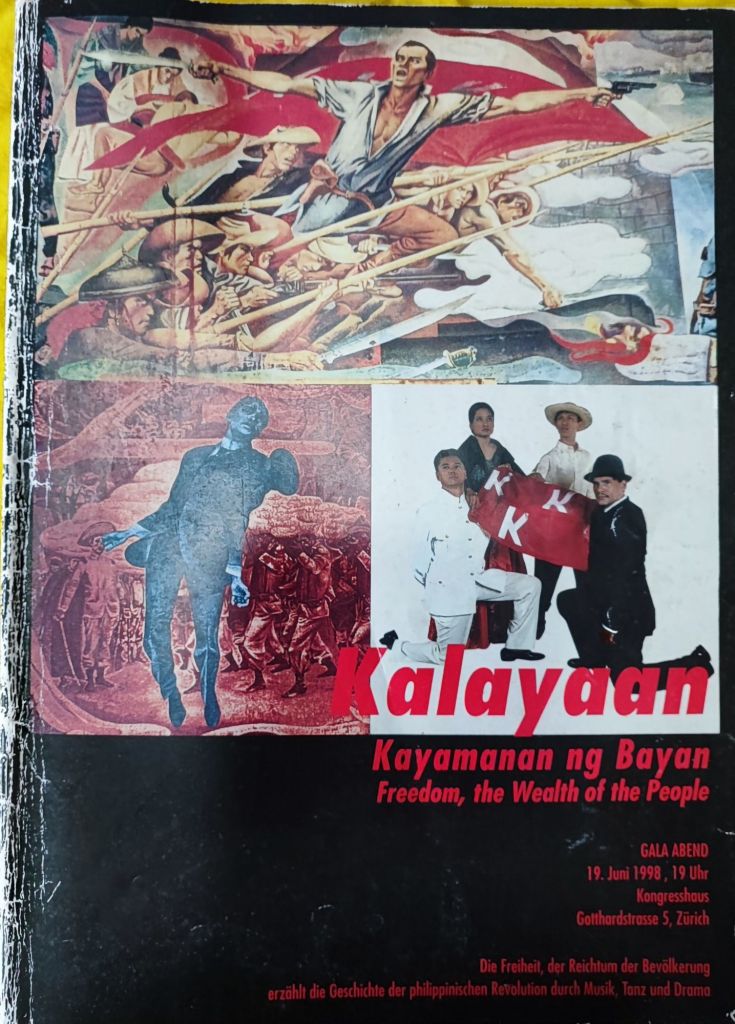
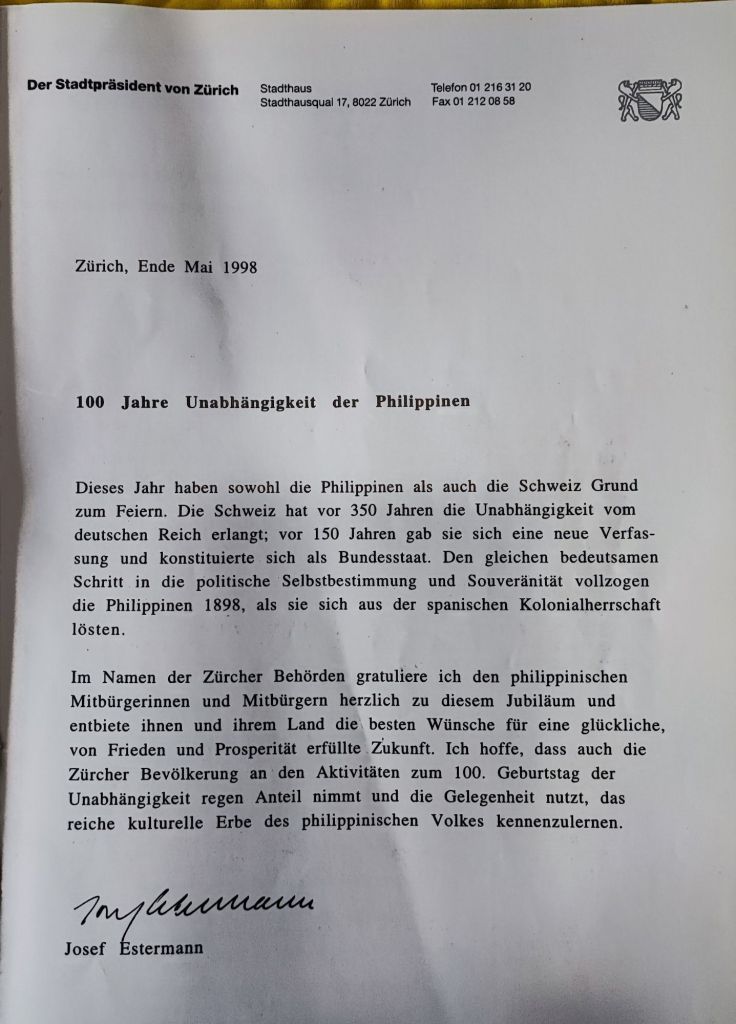

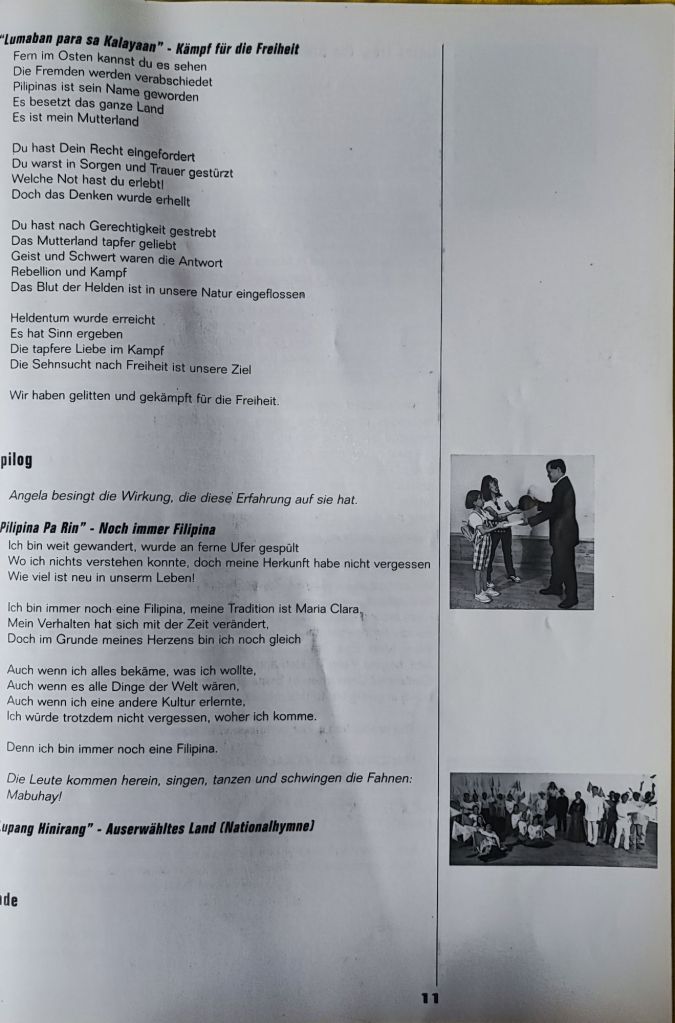


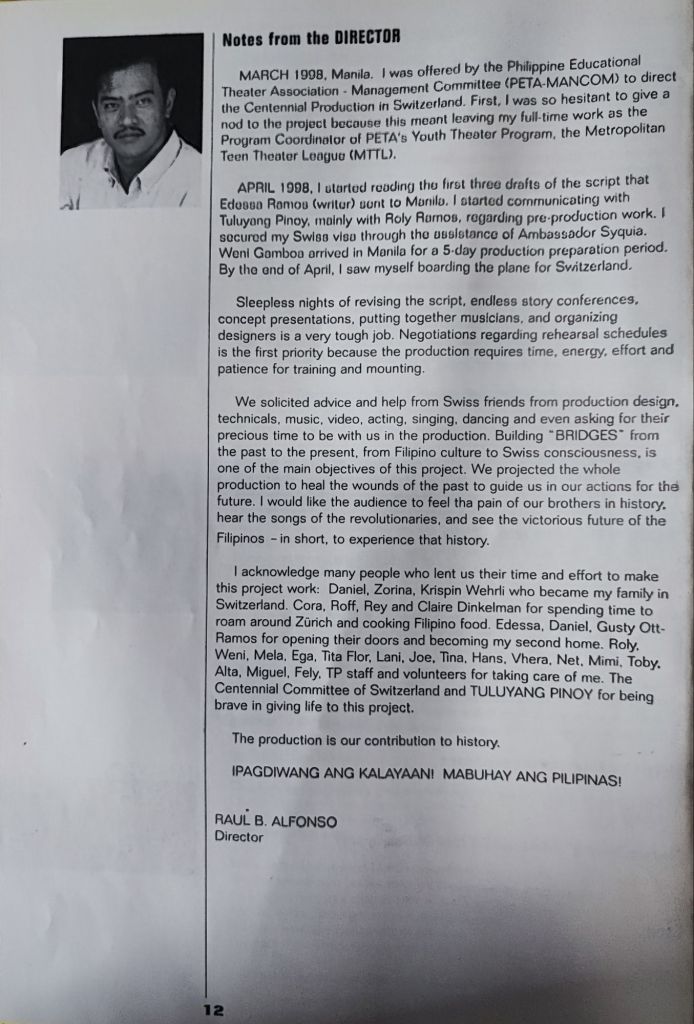
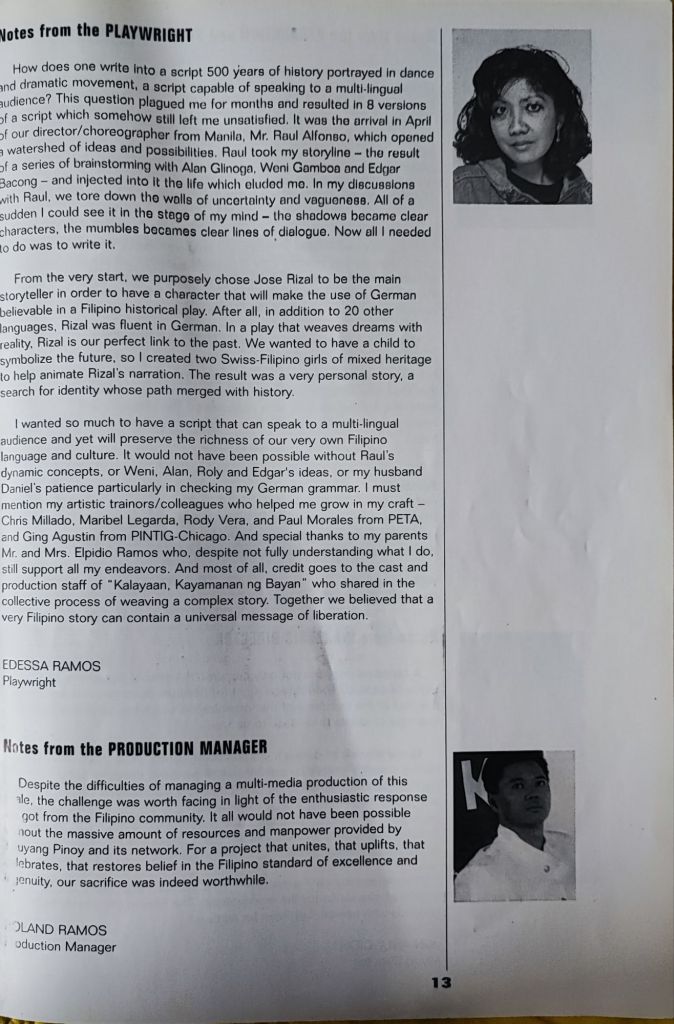



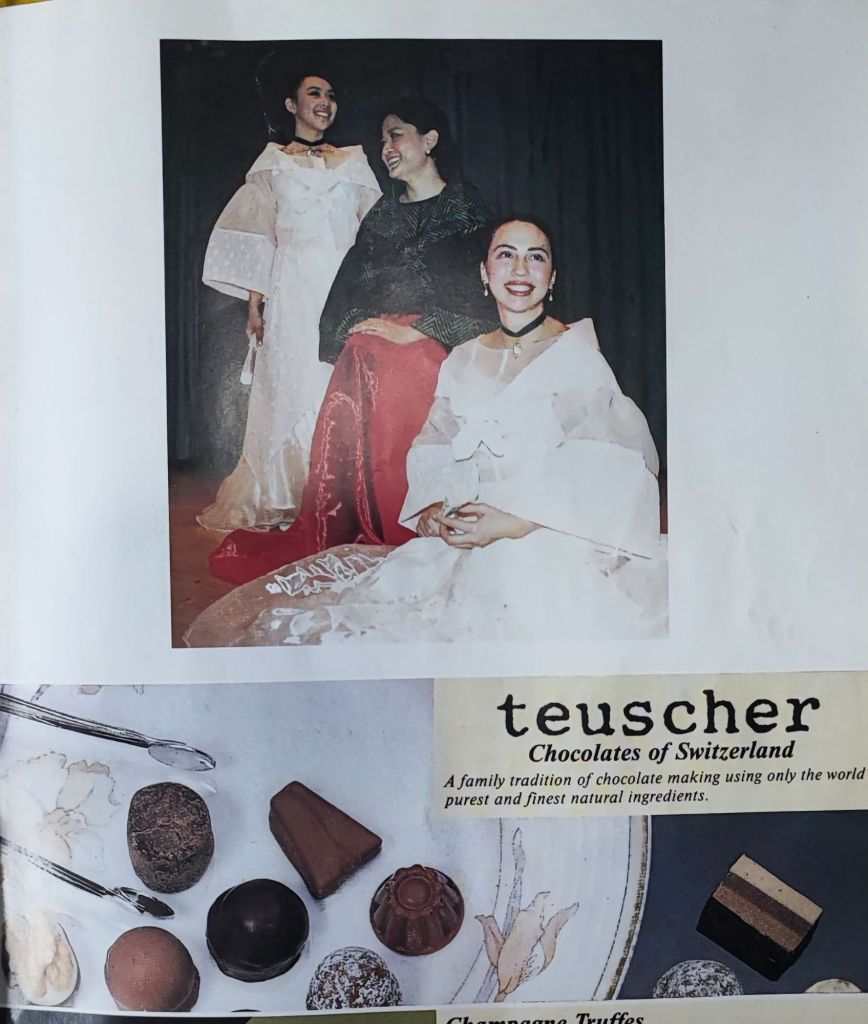

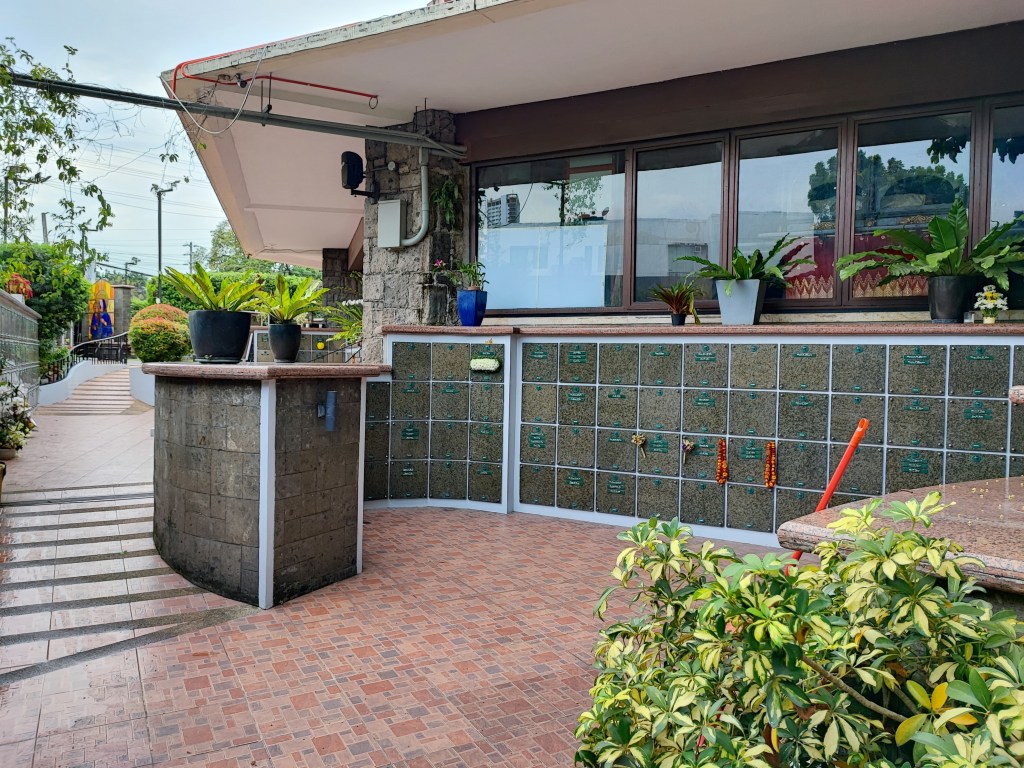


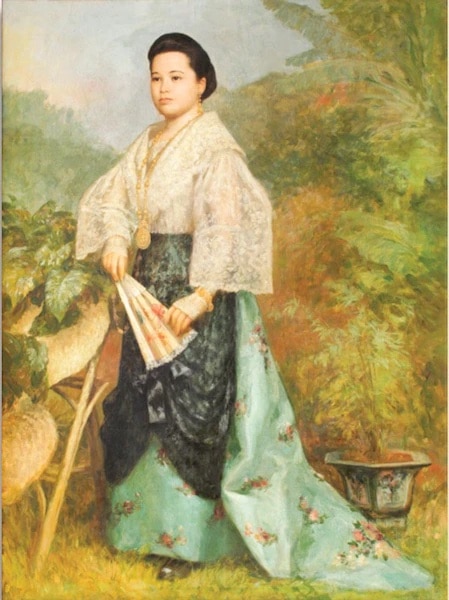
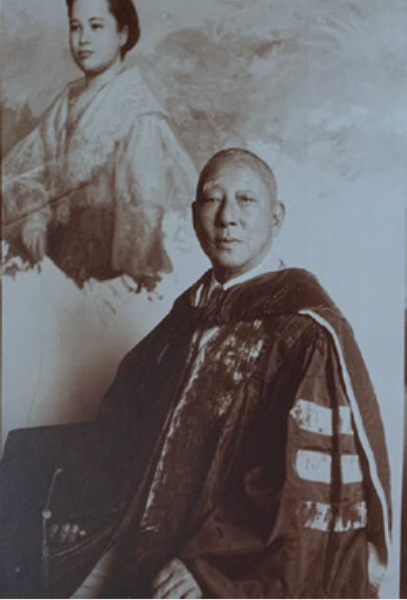
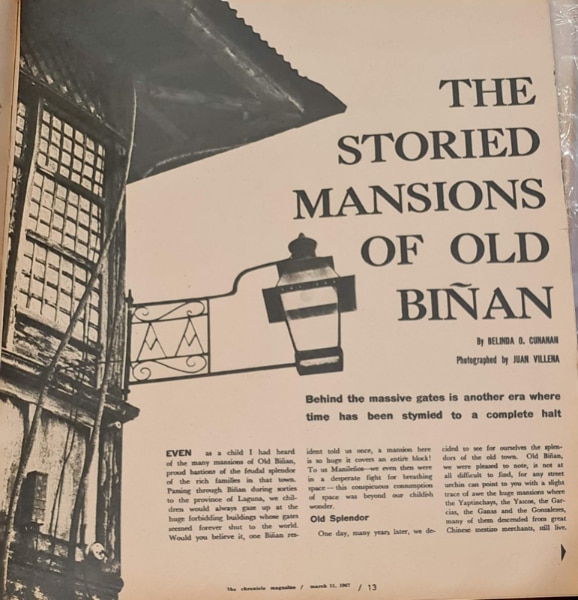
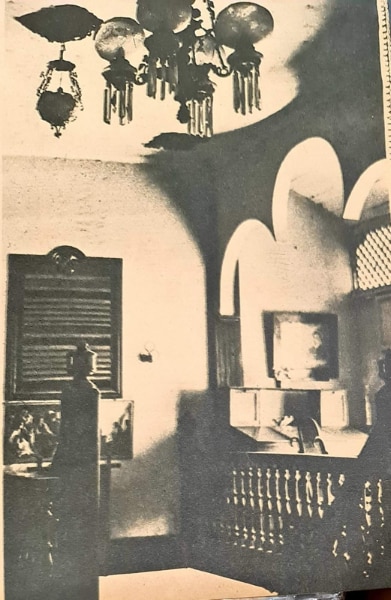
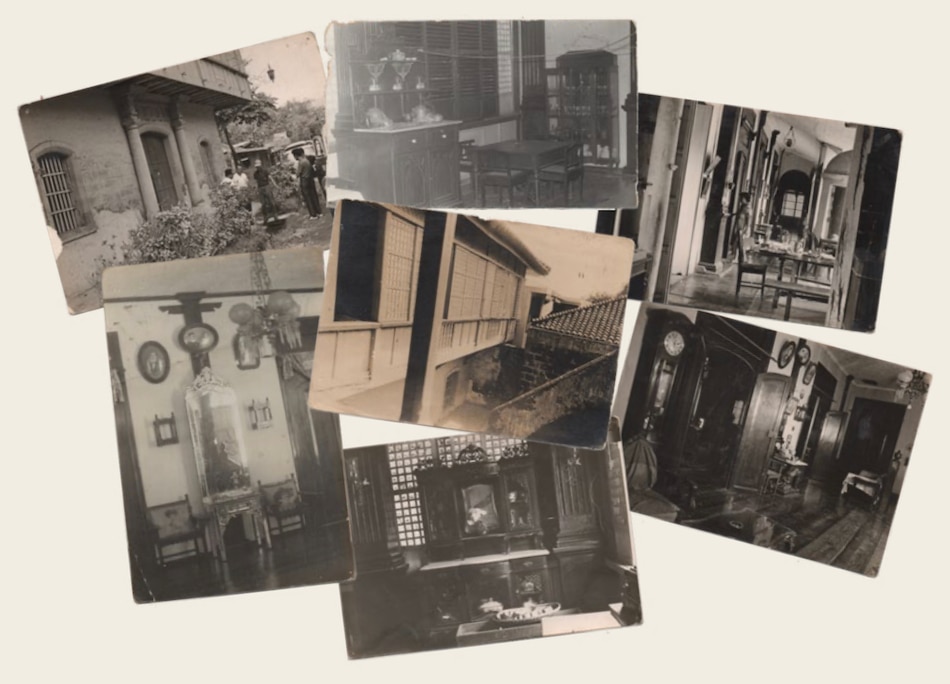
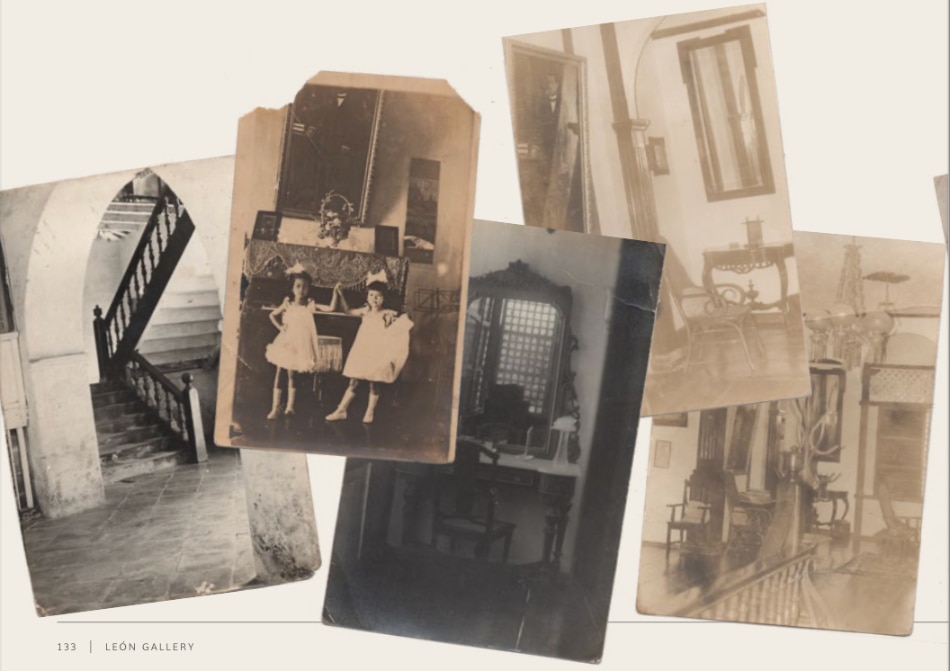
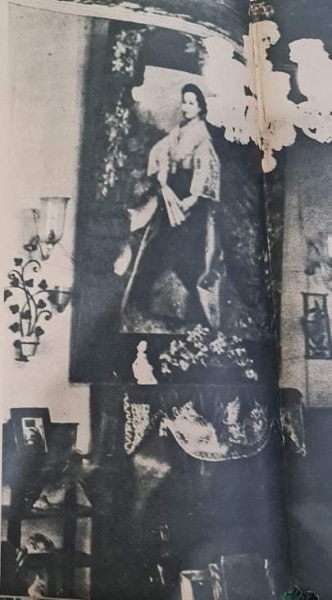
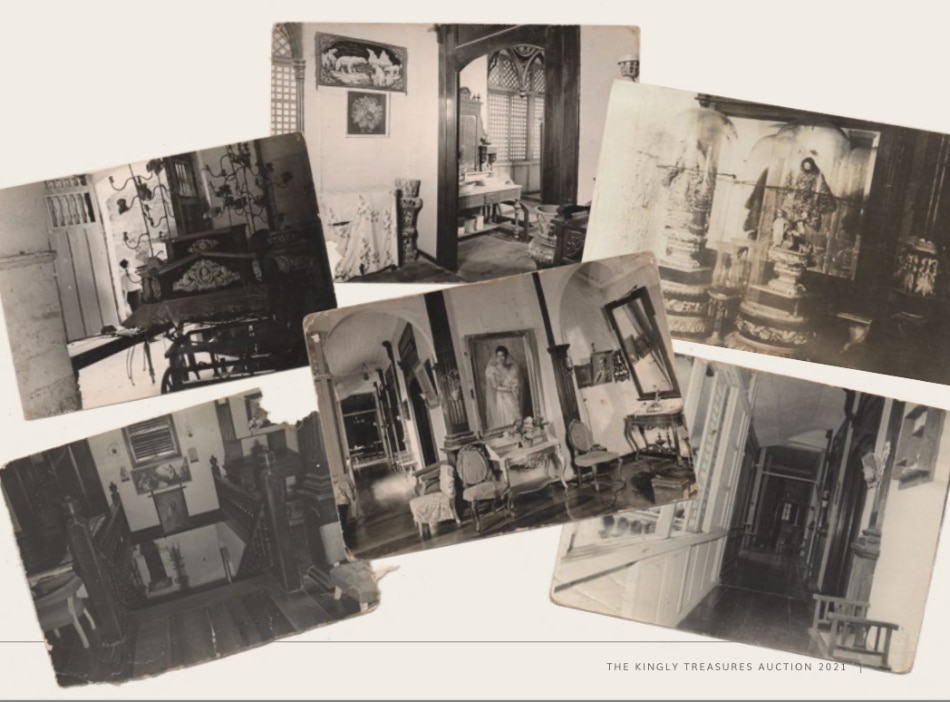
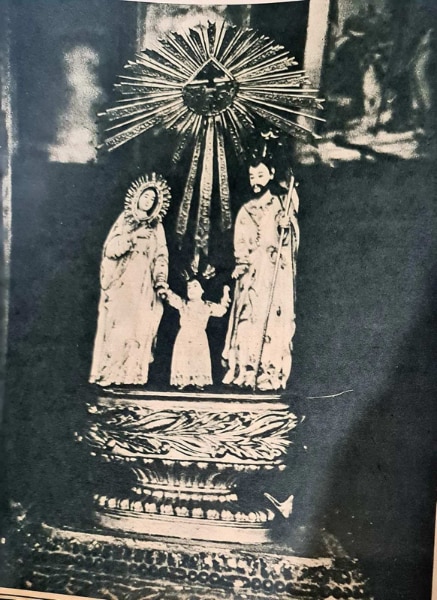

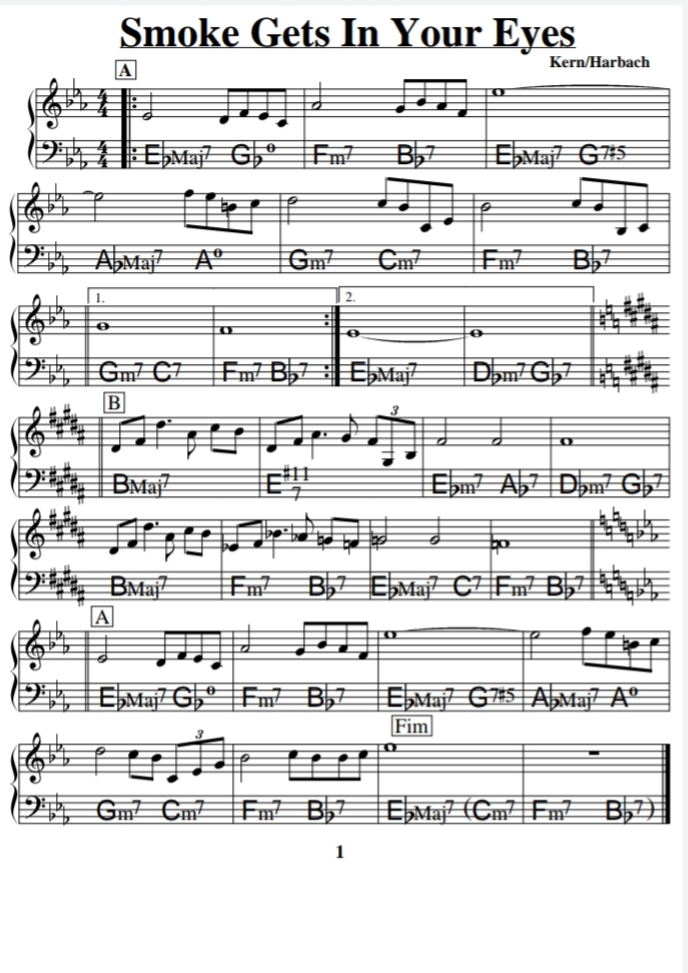

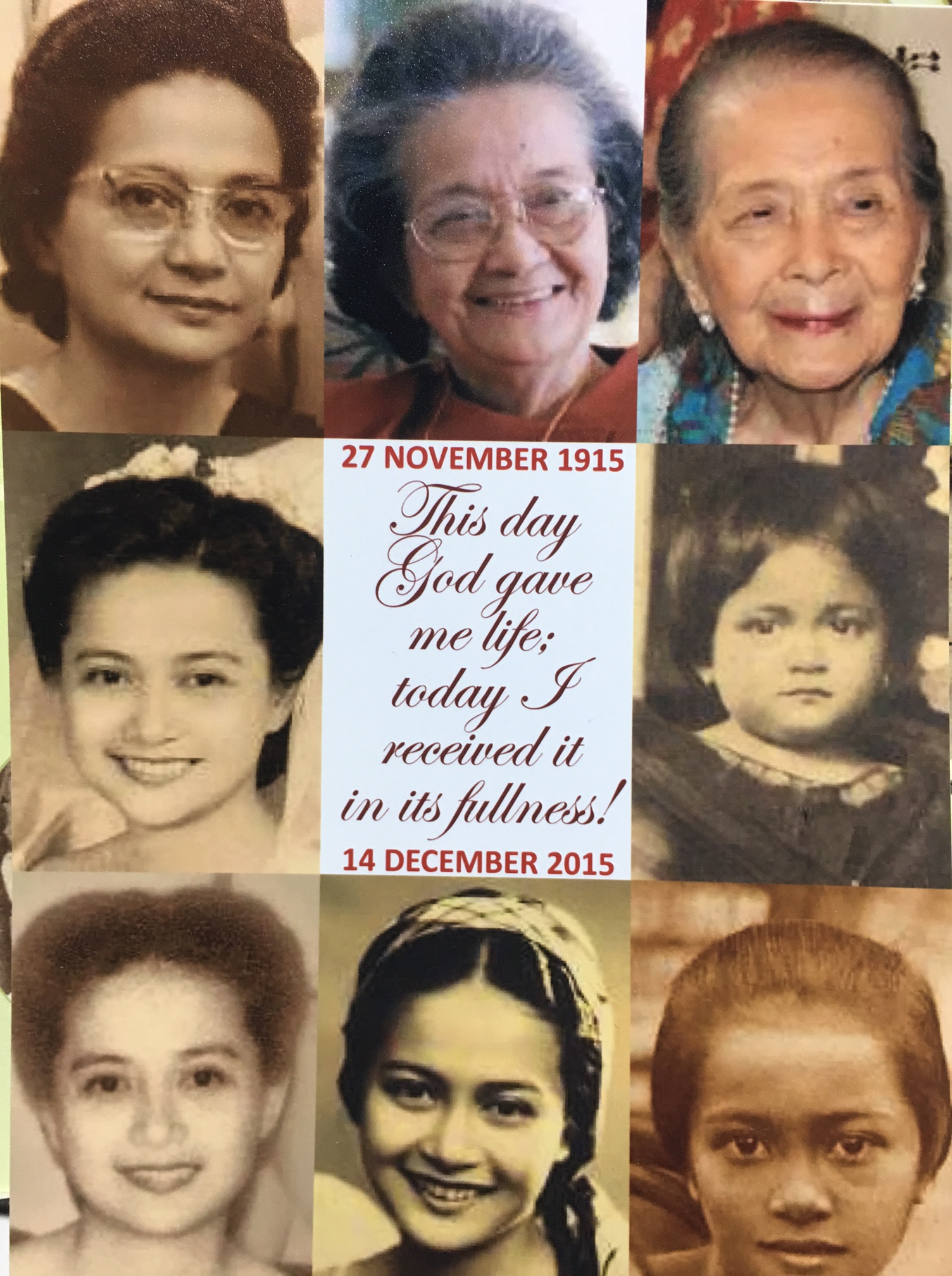


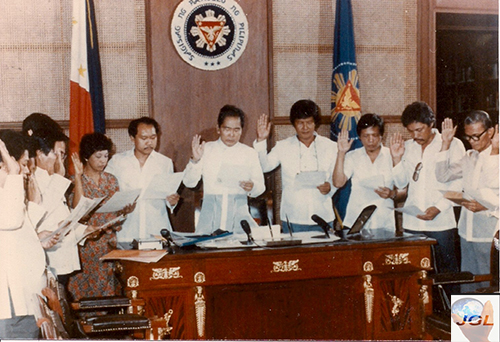


 Bulan Observer
